Some skin concerns show up in the mirror as one frustrating issue, but they rarely have just one cause. Sun spots may sit beside fine lines. Acne marks may come with uneven texture. Dullness can be paired with redness or stubborn discoloration. That is why the choice between BBL vs chemical peel deserves more than a quick answer. Both treatments can create brighter, smoother, healthier-looking skin, but they work in distinctly different ways.
At Medical Advanced Skin Care, treatment planning begins with your skin, your goals, and the results you want to maintain – not with a one-size-fits-all recommendation. Here is how BroadBand Light and chemical peels compare, and how to decide which approach may be right for your next level of skin confidence.
BBL vs Chemical Peel: The Core Difference
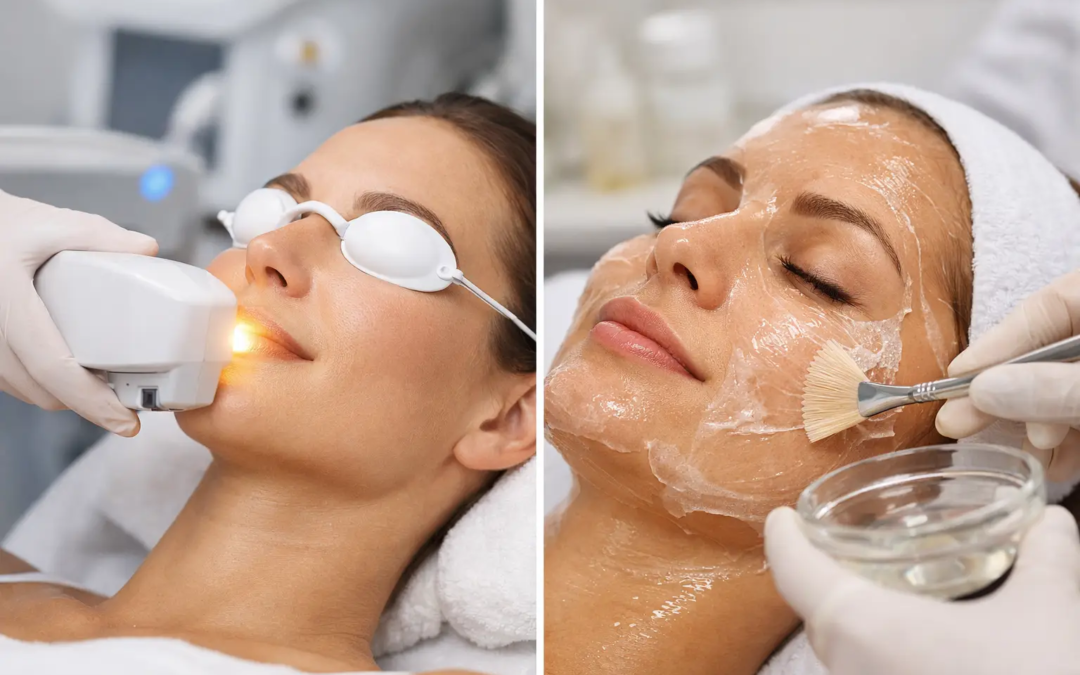
BBL, or BroadBand Light, is a light-based treatment that targets selected pigment, redness, and signs of sun damage beneath the skin’s surface. It delivers controlled pulses of light that are absorbed by areas of excess pigment or visible blood vessels. The treatment is commonly chosen for a clearer, more even-looking complexion, especially when brown spots, flushing, and sun-related discoloration are the main concerns.
A chemical peel uses a customized solution to exfoliate the outer layers of the skin. Depending on the formula and depth, it can encourage cell turnover, soften rough texture, improve the look of breakouts and post-acne marks, and reveal a fresher surface. Some peels are light with minimal visible peeling, while others create more noticeable exfoliation and require additional recovery time.
In simple terms, BBL is often selected for color concerns, while chemical peels are often selected for surface renewal. Yet many clients have a combination of concerns, which is where a professional consultation matters most.
What BBL Can Treat
BBL is especially valuable for skin that looks uneven because of cumulative sun exposure. In South Florida, where incidental sun exposure is part of daily life, pigment can become more pronounced even when sunscreen is part of a routine.
A personalized BBL treatment may help improve the appearance of sun spots, freckles, visible redness, small facial vessels, diffuse discoloration, and an overall blotchy tone. It can also support a more refreshed appearance when early signs of photoaging, such as fine lines and loss of radiance, begin to appear.
Most clients describe the sensation as a quick warmth or light snap against the skin. Treatments are generally efficient, and there is often little interruption to normal routines. Immediately afterward, the skin may appear mildly pink or feel warm. Pigmented spots commonly darken before they gradually lift away over the following days. That temporary darkening is an expected part of the process and should not be picked or scrubbed.
BBL is not automatically the best choice for every skin tone or every form of hyperpigmentation. Light-based treatments require thoughtful settings and careful screening, particularly for clients with deeper skin tones, a recent tan, melasma, or a history of post-inflammatory hyperpigmentation. The goal is never to chase intensity. It is to choose a protocol that respects your skin and creates visible improvement safely.
What a Chemical Peel Can Treat
Chemical peels offer a highly adaptable way to refine the skin’s texture and tone. A light peel may be ideal before an event or as part of regular maintenance, while a more corrective option can be considered for concerns that need a stronger reset.
Many clients choose chemical peels for dullness, congestion, acne-prone skin, visible pores, rough texture, superficial dark marks, fine lines, and uneven makeup application. By promoting exfoliation and cellular renewal, a well-selected peel can make the complexion look smoother and more luminous while helping professional skincare perform more effectively.
The recovery experience depends on the peel. With lighter formulations, you may have temporary tightness, mild flaking, or no visible peeling at all. With stronger peels, redness and shedding can be more apparent for several days. Visible peeling is not the only measure of a peel’s effectiveness. The right treatment is the one that creates meaningful renewal without unnecessarily compromising your skin barrier.
Chemical peels can work beautifully across a range of skin types, but formulation matters. Active acne, eczema, rosacea flare-ups, recent waxing, certain medications, and recent use of retinoids may affect whether a peel is appropriate or when it should be scheduled. Your provider should review these details before treatment and give clear pre- and post-care guidance.
Which Treatment Is Better for Your Concern?
If brown spots, visible redness, broken capillaries, or sun damage are your primary concerns, BBL may offer the more direct path. It is particularly effective when the issue is color irregularity that sits below the surface and does not fully respond to exfoliation alone.
If your skin feels rough, congested, dull, or marked by superficial acne discoloration, a chemical peel may be the better starting point. It is also an excellent option for clients who want to improve texture and brightness while supporting a consistent at-home skincare routine.
For some clients, the answer is not BBL or a chemical peel. It is a carefully timed plan that includes both. A provider may recommend alternating treatments across several appointments rather than performing everything at once. This can address pigment and redness with BBL while using peels to refine texture and maintain ongoing radiance. The timing should be individualized to protect the skin barrier and allow proper healing between treatments.
Downtime, Comfort, and Results
Both treatments are non-surgical and can fit into a busy schedule, but the recovery looks different. BBL usually has minimal downtime. Redness may settle within hours to a day, while darkened pigment can remain visible for several days before fading. You can often return to social plans quickly, provided you follow sun protection instructions.
Chemical peel downtime has a wider range. A gentle peel may leave you with a healthy glow and mild dryness, while a stronger peel can involve several days of flaking or peeling. If you have a wedding, photoshoot, vacation, or important work event ahead, plan your treatment early rather than booking at the last minute.
Neither treatment is a permanent substitute for daily skin care. Results are supported by broad-spectrum sunscreen, consistent hydration, medical-grade products selected for your skin, and thoughtful maintenance visits. Without sun protection, new pigment can develop after BBL. Without a supportive routine, congestion and dullness can return after a peel.
Your Skin Tone and Skin History Matter
The safest, most rewarding treatment is built around more than what you see on the surface. Your natural skin tone, history of melasma, tendency to pigment after irritation, current medications, recent sun exposure, active skincare ingredients, and previous treatment experience all influence the recommendation.
For example, someone with fair skin and distinct sun spots may be an excellent BBL candidate. Someone with acne-related texture and lingering marks may benefit first from a customized peel series. A client with sensitive, reactive skin may need barrier support and a gentler treatment strategy before either option is introduced.
Honest guidance should include what a treatment can improve, what it may not fully resolve, and how many sessions may be needed. A single appointment can make skin look refreshed, but lasting correction often comes from a series and a maintenance plan. That is not about over-treating. It is about giving the skin enough time and consistency to respond well.
Preparing for BBL or a Chemical Peel
Your provider will give you specific instructions based on your treatment plan, but preparation usually starts with protecting the skin from sun exposure and avoiding tanning. You may also be asked to pause exfoliating acids, retinoids, or other potentially irritating products for a period before treatment.
After either service, keep your routine gentle. Avoid heat, intense exercise, picking, scrubs, and unapproved active ingredients until your skin has recovered. Hydration and daily sunscreen are essential. With chemical peels, allow flaking skin to release naturally. With BBL, let treated pigment darken and fade on its own rather than trying to exfoliate it away.
Choose the Treatment That Respects Your Skin
The right choice is not the trendiest treatment or the one with the most dramatic before-and-after photos. It is the treatment that addresses your specific concern while honoring your skin’s tolerance, tone, lifestyle, and long-term goals. Whether your complexion needs targeted light therapy, controlled exfoliation, or a thoughtful combination of both, professional guidance can turn a confusing choice into a plan you feel confident about.
Beautiful results begin with skin that is treated thoughtfully. A personalized consultation gives you space to ask questions, understand your options, and choose care that helps you look refreshed, healthy, and unmistakably yourself.