When shine returns shortly after cleansing, makeup slips by midday, and pores seem to collect congestion no matter how carefully you cleanse, a carbon peel for oily skin can be a thoughtful next step. This advanced laser facial is designed to refresh the look of congested, textured skin without the extended downtime associated with more aggressive resurfacing treatments.
At Medical Advanced Skin Care, treatment planning starts with your skin, not a standard protocol. Oil production, acne history, sensitivity, pigmentation concerns, and your current skincare routine all matter when determining whether a carbon peel is the right choice.
What Is a Carbon Peel?
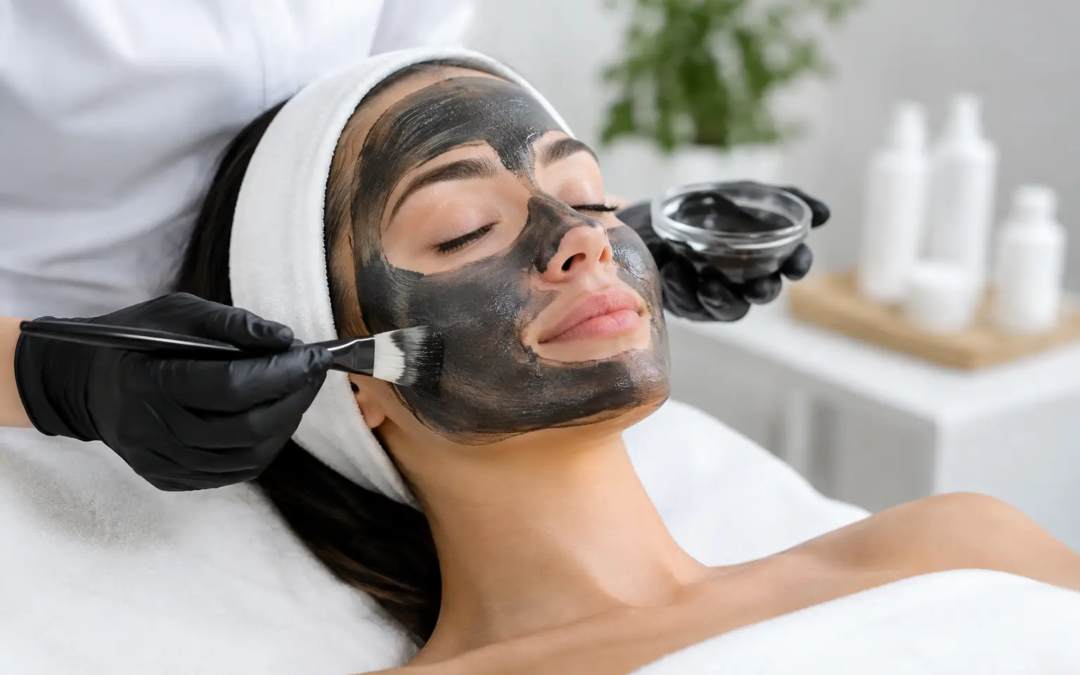
Often called a carbon laser facial or Hollywood peel, a carbon peel combines a liquid carbon mask with laser energy. The carbon solution is applied to clean, dry skin and allowed to settle into the surface layer and around the opening of pores. A laser then passes over the skin, targeting the carbon particles.
As the laser energy breaks apart the carbon, it helps lift surface debris, excess oil, and buildup from the complexion. The treatment also delivers controlled heat to the skin, which can support a smoother, more refined appearance over time. Most clients describe the sensation as quick, warm snaps against the skin rather than significant discomfort.
The immediate appeal is easy to understand: skin often looks cleaner, brighter, and less shiny after a single appointment. The more meaningful benefits, including a more balanced-looking complexion and improved texture, are typically built through a personalized treatment series and consistent home care.
Why a Carbon Peel for Oily Skin Can Help
Oily skin is not unhealthy skin. Sebum protects the skin barrier and helps prevent moisture loss. The challenge begins when oil combines with dead skin cells, sunscreen, makeup, sweat, or environmental debris. That combination can leave the complexion looking dull, contribute to blackheads and breakouts, and make pores appear more visible.
A carbon peel addresses several concerns that commonly travel together with oiliness. By exfoliating the uppermost layer of skin and helping remove pore-clogging surface buildup, it can leave skin feeling exceptionally clean without the abrasive feel of a scrub. The laser component may also help improve the look of uneven texture and post-breakout marks.
For clients who experience a persistent polished shine across the forehead, nose, and chin, the treatment can create a more balanced, matte-looking finish. It is not a permanent switch that stops oil glands from functioning, nor should it be presented that way. Instead, it is a professional maintenance option that can help oily skin look clearer, smoother, and more controlled.
Concerns carbon peels may address
A carbon laser facial is often considered for visible congestion, blackheads, enlarged-looking pores, rough texture, superficial acne-related discoloration, and excess shine. It can also be a useful treatment before an event when the goal is a fresh, polished glow with little interruption to normal routines.
That said, treatment is not one-size-fits-all. Deep cystic acne, active skin infections, open lesions, or significant inflammation may call for a different approach first. A consultation helps determine whether a carbon peel should be part of your plan or whether another professional treatment would better serve your skin at this stage.
What Your Appointment Feels Like
Your provider begins by reviewing your skin goals, medical history, current products, and any recent treatments. This is especially relevant if you use prescription acne medication, retinoids, exfoliating acids, or have a history of post-inflammatory hyperpigmentation.
After the skin is cleansed, a thin carbon layer is applied. Once it has dried, protective eyewear is placed and the laser treatment begins. There may be an initial pass to warm the skin, followed by a pass that targets and removes the carbon. Clients often notice a light snapping sound and smell as the carbon particles are vaporized. The full service is generally efficient, making it well suited to busy schedules.
Following treatment, your skin is cleansed and finished with calming, hydrating products and broad-spectrum sunscreen. A mild pinkness or feeling of warmth can occur, but this commonly resolves quickly. Most people return to work, social plans, and regular daily activities the same day.
Results: What to Expect and When
After one carbon peel, many clients see an immediate improvement in surface radiance and a softer, cleaner feel. Makeup may apply more smoothly, and the complexion can appear less congested. These early changes are valuable, but they do not mean every concern has been resolved in one visit.
For oily, acne-prone, or textured skin, a series of treatments may be recommended based on your response and goals. Appointments are commonly spaced several weeks apart, allowing the skin time to recover and respond. Your provider may pair the treatment with medical-grade skincare or alternate services such as a chemical peel, HydraFacial, or microneedling when appropriate.
The right schedule depends on how much oiliness, congestion, inflammation, and discoloration are present. Skin that is mildly oily with occasional blackheads may need only periodic maintenance. More persistent congestion can benefit from a more structured plan. Ethical care means recommending only what your skin can genuinely benefit from.
Preparing for Your Carbon Laser Facial
A few simple adjustments can help your skin arrive calm and ready for treatment. Avoid tanning and excessive sun exposure before your appointment, since recently sun-exposed skin may be more reactive. Let your provider know about any changes in medication, recent injectables, waxing, peels, or laser services.
Depending on your skin and product regimen, you may be asked to pause retinoids, exfoliating acids, benzoyl peroxide, or other potentially irritating actives for several days beforehand. Do not make those changes blindly if you are using a prescription product. Your treatment provider can give guidance that respects both your aesthetic goals and your medical skincare plan.
Arrive with clean skin if possible, or allow time for thorough cleansing before the service. Avoid picking at blemishes in the days leading up to treatment. Picking can increase inflammation and raise the risk of lingering marks, particularly for skin that is prone to discoloration after breakouts.
Aftercare That Protects Your Results
The hours after a carbon peel are a time to keep things gentle. Use a mild cleanser, a comfortable moisturizer, and daily broad-spectrum SPF. South Florida sun exposure is significant year-round, and sunscreen is essential for protecting treated skin and helping prevent uneven tone from returning.
For the first few days, avoid scrubs, exfoliating acids, retinoids, and other strong active products unless your provider advises otherwise. Skip saunas, intense heat, and strenuous exercise on the day of treatment if your skin feels warm or flushed. Resist the urge to over-cleanse because oily skin still needs a healthy barrier. Stripping the skin can cause irritation and may leave it looking more reactive.
If you experience persistent irritation, swelling, blistering, or an unexpected reaction, contact your treatment provider promptly. These outcomes are uncommon when clients are properly screened and treated with appropriate settings, but attentive follow-up is part of responsible aesthetic care.
Is a Carbon Peel Safe for Every Skin Tone?
Carbon peels can be adapted for many skin types and tones, but laser treatment requires informed assessment. Skin with more melanin can be more susceptible to pigment changes if energy settings are not carefully selected or if there is recent sun exposure, irritation, or active inflammation.
This is why a professional consultation matters. Your provider should evaluate your skin tone, sensitivity, acne activity, history of hyperpigmentation, and recent tanning before treatment. Conservative, customized settings and proper aftercare help reduce unnecessary risk while still pursuing visible results.
A carbon peel may not be the best first choice during pregnancy, with certain photosensitizing medications, or when there is an active skin condition in the treatment area. Be open about your health history. Clear communication gives your provider the information needed to make recommendations that are safe, appropriate, and aligned with your goals.
Clearer-Looking Skin Without Overcorrecting
Managing oily skin should not mean trying to eliminate every trace of natural oil. Healthy skin needs balance: enough oil and hydration to support its barrier, along with thoughtful exfoliation and professional care to prevent buildup from taking over.
A carbon peel can be a refined option for clients who want their skin to look less congested, smoother, and more confidently polished without aggressive downtime. The best results come from a plan that respects your skin’s limits, supports its long-term health, and leaves you feeling refreshed every time you look in the mirror.