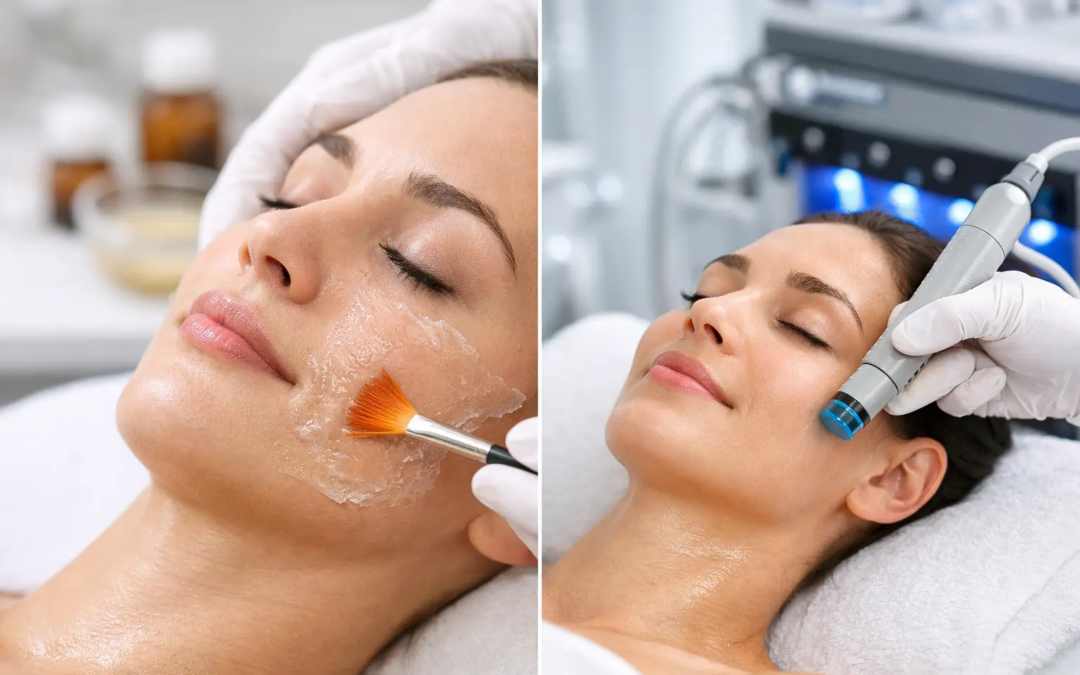
A brighter complexion before a South Florida event can sound simple, until you are deciding between a treatment that gently resurfaces skin and one that deeply cleanses, hydrates, and gives an immediate glow. In the chemical peel vs hydrafacial conversation, the best answer is not about which service is more popular. It is about what your skin needs now, what results you want to build toward, and how much recovery time fits your life.
Both treatments can elevate the look and feel of your skin without surgery. They work in very different ways, however, and choosing thoughtfully helps you get more than a temporary refresh. It helps you create a treatment plan that supports clear, smooth, healthy-looking skin over time.
Chemical Peel vs Hydrafacial: The Core Difference
A chemical peel uses carefully selected acids and active ingredients to accelerate exfoliation and skin renewal. Depending on its formulation and strength, a peel can address surface dullness or work more intensively on concerns such as acne, uneven tone, visible sun damage, fine lines, and rough texture. The goal is controlled resurfacing: older, damaged skin cells are shed so fresher-looking skin can emerge.
A HydraFacial® uses a multi-step process to cleanse, exfoliate, extract congestion, hydrate, and infuse the skin with targeted serums. Rather than encouraging visible peeling, it uses vortex technology to clear debris from pores while delivering hydration and antioxidants. The result is usually immediate: skin looks cleaner, smoother, more hydrated, and more luminous right after the appointment.
Put simply, a chemical peel is typically chosen for corrective skin renewal, while a HydraFacial is often chosen for deep cleansing, hydration, and an instant polished finish. Those categories can overlap. A thoughtfully selected peel may improve radiance, and a HydraFacial can support acne-prone or textured skin. The difference lies in depth, intensity, and the type of change each treatment is designed to create.
When a Chemical Peel May Be the Better Choice
Chemical peels are especially valuable when a persistent concern is affecting how your skin looks day after day. If your goals include fading the appearance of dark spots, improving uneven texture, softening the look of fine lines, or supporting clearer skin after breakouts, a peel may offer the more targeted approach.
At Medical Advanced Skin Care, peel selection should never be one-size-fits-all. Your provider considers your skin type, sensitivity, current skincare routine, history of hyperpigmentation, active acne, and lifestyle before recommending a protocol. This is particularly important in South Florida, where strong sun exposure can complicate pigmentation concerns and makes diligent sun protection essential after treatment.
Some peels create little to no visible flaking. Others may cause tightness, dryness, or light peeling for several days. A more corrective peel is not automatically better. The right treatment is the one that moves your skin forward without creating unnecessary irritation or downtime.
A chemical peel may be a strong fit if you have:
- Persistent dullness, rough texture, or clogged pores
- Post-acne marks or uneven-looking tone
- Early signs of photoaging, including fine lines and sun-related discoloration
- Acne-prone skin that needs a professionally guided exfoliation plan
Results tend to build with a series of treatments and a consistent at-home regimen. For many clients, that is the appeal: chemical peels can be part of a long-term strategy for skin that looks clearer and more refined, not just temporarily refreshed.
When a HydraFacial May Be the Better Choice
A HydraFacial is a favorite for clients who want visible freshness without planning around peeling or social downtime. It is an excellent option before weddings, vacations, photos, work events, or any time your skin feels congested, dehydrated, or lackluster.
The treatment is customizable, which matters because dry skin, oily skin, acne-prone skin, and mature skin do not benefit from exactly the same approach. Your provider can adjust the treatment focus around hydration, congestion, sensitivity, or overall radiance. Many clients appreciate that the experience feels restorative while still delivering clinically meaningful cleansing and exfoliation.
HydraFacial treatments can be especially helpful when skin looks tired but is not necessarily in need of an intensive corrective procedure. Dehydration can make fine lines appear more noticeable, while congestion can make skin look uneven and makeup sit poorly. By clearing pores and replenishing hydration, a HydraFacial can create a smoother, healthier-looking surface quickly.
Most clients return to normal activities immediately. Mild temporary pinkness can happen, particularly with sensitive skin, but it generally resolves quickly. This low-downtime profile makes HydraFacial an easy choice for regular maintenance visits.
Results, Downtime, and What to Expect
The timeline is one of the most practical differences in a chemical peel vs hydrafacial decision. A HydraFacial usually provides a same-day glow. Your skin may look more hydrated and feel exceptionally smooth immediately, though ongoing concerns such as pigmentation or recurring acne still require a personalized maintenance plan.
With a chemical peel, results can be more gradual. Some clients see brighter skin within days, while improvements in texture, breakouts, and discoloration often become more noticeable over a series of treatments. If visible flaking occurs, it is part of the renewal process, not something to pick or scrub away.
Downtime also varies more with peels. Light peels may have minimal recovery, while stronger options can involve several days of dryness, tightness, or peeling. A consultation is the right time to discuss upcoming travel, events, sun exposure, and any medications or active skincare ingredients that could affect treatment timing.
Neither treatment should be viewed as a replacement for daily skincare fundamentals. Sunscreen, a well-matched home routine, and consistency protect your investment and help preserve results. This is particularly true for clients treating pigmentation, since unprotected UV exposure can allow discoloration to return.
Can You Alternate Chemical Peels and HydraFacials?
Often, yes. Alternating treatments can be an effective approach when your skin needs both correction and ongoing hydration. A peel may be scheduled to focus on texture, acne marks, or uneven tone, while HydraFacial appointments support clean pores, moisture balance, and a healthy glow between more intensive resurfacing sessions.
The timing should be guided by your skin, not a rigid calendar. Over-exfoliating can weaken the skin barrier and lead to sensitivity, dryness, or inflammation. An experienced provider will assess how your skin responds and recommend spacing that protects its comfort and resilience.
For example, someone preparing for a special event may choose a HydraFacial shortly before the occasion for immediate radiance. Someone focused on post-acne discoloration may begin with a series of carefully selected chemical peels, then use HydraFacial maintenance treatments when the skin needs hydration and refinement. The plan changes with the goal.
Choosing the Treatment That Feels Right for Your Skin
If you want a fast, no-peel refresh with deep cleansing and hydration, a HydraFacial is often the natural starting point. If you are ready to address stubborn texture, discoloration, fine lines, or acne-related concerns with more corrective renewal, a chemical peel may be the better investment.
Your skin should not have to fit into a preset menu choice. A professional consultation creates space to discuss your concerns honestly, evaluate your skin carefully, and choose a treatment that respects both your goals and your comfort level. The most beautiful results are not about chasing the strongest treatment. They come from the right treatment, performed at the right time, with a plan designed for skin that continues to look healthy, luminous, and confidently cared for.