
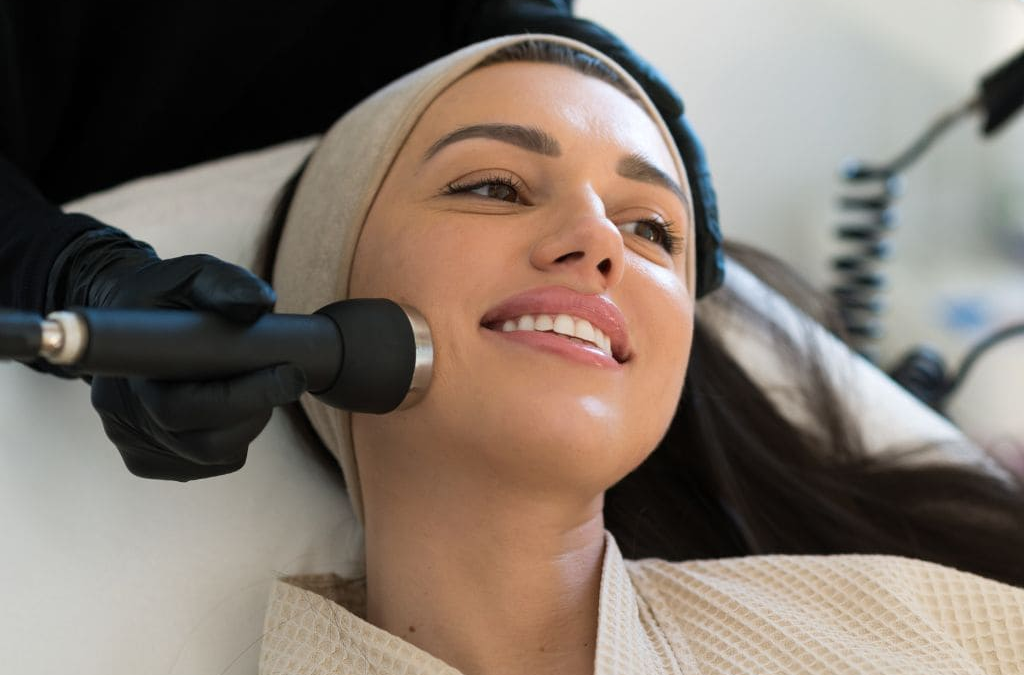
Hydrafacial treatments have become a popular choice for people who want smoother, brighter, and more hydrated skin without undergoing an invasive procedure. This facial treatment combines cleansing, exfoliation, extraction, and hydration to help improve the skin’s overall appearance.
However, before booking an appointment, it is important to understand the possible hydrafacial side effects and how your skin may react during the hours or days following your treatment. Although Hydrafacial is generally well tolerated, every skin type is different, and some people may experience temporary irritation or sensitivity.
In this guide, we will explain the most common side effects, what you can do to minimize them, and when it is best to consult a skincare professional.
What is a Hydrafacial treatment?
A Hydrafacial is a non-invasive skincare treatment designed to cleanse the skin, remove dead skin cells, extract impurities, and deliver hydrating ingredients. It typically uses a specialized device that combines gentle exfoliation with suction and the application of skincare solutions.
Many people choose this treatment because it can help improve the appearance of dullness, uneven texture, clogged pores, and dehydration. It is also customizable, allowing skincare professionals to adapt certain steps to individual skin concerns.
Even though the procedure is generally gentle, the combination of exfoliation, suction, and active ingredients can occasionally cause temporary reactions.
What are the most common Hydrafacial side effects?
Understanding the potential hydrafacial side effects can help you prepare for your appointment and know what to expect afterward.
1. Redness and skin sensitivity
Mild redness is one of the most common reactions after a Hydrafacial. The exfoliation and extraction process may temporarily stimulate the skin, making it appear pink or feel slightly sensitive.
For most people, this reaction fades within a few hours. However, individuals with sensitive skin or conditions such as rosacea may experience more noticeable irritation.
To help your skin recover, avoid harsh skincare products immediately after treatment and follow your provider’s aftercare recommendations.
2. Dryness or Tightness
Although Hydrafacial treatments are designed to hydrate the skin, some people may experience temporary dryness or a tight sensation afterward.
This can happen when the skin reacts to exfoliation or when certain products are not well suited to an individual’s skin type.
Using a gentle, fragrance-free moisturizer can help maintain hydration. Avoid using multiple exfoliating products at home until your skin has returned to its usual condition.
3. Temporary breakouts
Some people notice small pimples or blemishes after a Hydrafacial. This may be related to skin irritation, sensitivity to an ingredient, or the natural development of acne that was already forming beneath the skin.
It is important not to assume that every breakout is a normal part of the treatment. If pimples are painful, widespread, or accompanied by significant redness, consult a qualified skincare professional.
4. Increased sensitivity to sunlight
Exfoliation can temporarily make the skin more sensitive, particularly if the treatment includes ingredients that affect the skin’s outer layer.
After your appointment, protect your skin by applying broad-spectrum sunscreen with SPF 30 or higher, wearing a hat when appropriate, and limiting prolonged direct sun exposure.
Sun protection is an important part of maintaining your results and reducing the risk of irritation or uneven pigmentation.
5. Irritation or allergic reactions
Some Hydrafacial solutions contain acids, botanical extracts, fragrances, or other ingredients that may not agree with every skin type.
In certain cases, a person may experience itching, burning, swelling, or a rash due to irritation or an allergic reaction.
Tell your skincare provider about known allergies and any products that have caused reactions in the past. Seek prompt medical advice if you develop significant swelling, persistent burning, or a widespread rash. Difficulty breathing or swelling of the tongue or throat requires emergency medical attention.
How long do Hydrafacial side effects last?
The duration of side effects depends on your skin type, the products used, the intensity of the treatment, and your individual response.
Mild redness or sensitivity often improves within a few hours. Temporary dryness may last longer, while irritation or breakouts can take several days to settle.
Your skin should gradually return to its normal condition. If symptoms worsen, persist longer than expected, or include pain, blistering, pronounced swelling, or signs of infection, contact a healthcare professional rather than assuming the reaction is normal.
Who should be careful before getting a Hydrafacial?
Hydrafacial is suitable for many people, but it may not be the right choice for everyone at every moment.
Consider speaking with a qualified skincare professional before treatment if you have:
- Very sensitive skin: You may need a modified treatment to reduce irritation.
- Active skin conditions: Eczema, rosacea flare-ups, or inflamed acne may require special consideration.
- Open wounds or skin infections: Treatment should generally be postponed until the affected area has healed.
- Known ingredient allergies: Your provider should review the products and solutions used during the procedure.
- Recent cosmetic treatments: Chemical peels, laser procedures, or other treatments may affect when it is appropriate to schedule a Hydrafacial.
If you use prescription acne medication, retinoids, or other products that can increase skin sensitivity, discuss your routine with your provider before your appointment.
How to reduce Hydrafacial side effects
Taking care of your skin before and after your treatment can help minimize unwanted reactions.
Before your appointment
Start by sharing your skin concerns, medical history relevant to your skin, allergies, and current skincare routine with your provider. Depending on your skin and treatment plan, you may be advised to pause certain exfoliating products or retinoids temporarily.
Avoid scheduling a treatment when your skin is sunburned, irritated, or experiencing an active flare-up.
After your appointment
Keep your skincare routine simple for the first day or two, or for the period recommended by your provider.
- Cleanse with a gentle, non-irritating cleanser.
- Apply a moisturizer suited to your skin type.
- Use broad-spectrum SPF 30 or higher every day.
- Avoid scrubs, strong exfoliating acids, and potentially irritating active ingredients until your skin has recovered.
- Avoid picking at blemishes or rubbing your face aggressively.
- Follow the specific aftercare instructions provided by your skincare professional.
If you are unsure whether a product is appropriate after treatment, ask your provider before applying it.
Is a Hydrafacial worth it despite the potential side effects?
For many people, a Hydrafacial can be a convenient way to support a smoother, more hydrated, and refreshed-looking complexion. Its non-invasive approach and customizable options make it appealing to people seeking a professional facial without significant downtime.
Still, the best results begin with realistic expectations and a treatment plan that considers your skin’s individual needs. No facial treatment is completely risk-free, and a Hydrafacial is not a cure for every skin concern.
Choosing an experienced skincare provider, discussing your concerns beforehand, and following appropriate aftercare can help you make a more informed decision.
Understanding hydrafacial side effects is an important step toward making a confident decision about your skincare routine. While temporary redness, dryness, sensitivity, or minor breakouts may occur, proper preparation and personalized aftercare can help reduce the likelihood of unwanted reactions.
If you are considering a Hydrafacial and want guidance tailored to your skin, Medical Advanced Skin Care in Lighthouse Point, Florida, is a professional skincare destination to explore. Their team can help you learn about available treatments and discuss your skincare goals so you can determine which options may be appropriate for you.
Contact Medical Advanced Skin Care to learn more about their services, discuss your concerns, and explore a skincare approach that fits your needs.
Questions about Hydrafacial side effects
1. What are the most common Hydrafacial side effects?
The most common side effects include temporary redness, mild sensitivity, dryness, tightness, and occasional breakouts. Most mild reactions improve within hours, although some may last longer depending on the person’s skin.
2. How long should redness last after a Hydrafacial?
Mild redness typically fades within a few hours. If redness worsens, persists longer than expected, or occurs with pain, swelling, or blistering, consult a healthcare professional.
3. How can I prevent side effects after a Hydrafacial?
Follow your provider’s aftercare instructions, use a gentle cleanser and moisturizer, apply broad-spectrum SPF 30 or higher, and temporarily avoid harsh exfoliants or irritating active ingredients. Discuss any allergies or skin conditions with your provider before treatment.