Healthy, radiant skin is not just about using expensive skincare products or following a complicated beauty routine. Sometimes, the secret is knowing how to take care of your skin before and after professional treatments. If you are considering a Hydrafacial or have already experienced one, following the right hydrafacial tips can help you maximize its benefits and maintain a fresh, healthy-looking complexion.
A Hydrafacial is a non-invasive skincare treatment designed to cleanse, exfoliate, extract impurities, and hydrate the skin. It combines different steps to improve the appearance of fine lines, uneven skin tone, enlarged pores, and dullness. One of its biggest advantages is that it can be customized according to different skin types and concerns.
However, getting beautiful results does not depend exclusively on the treatment itself. Your daily habits and skincare routine also play an important role.
What is a Hydrafacial and why is it so popular?
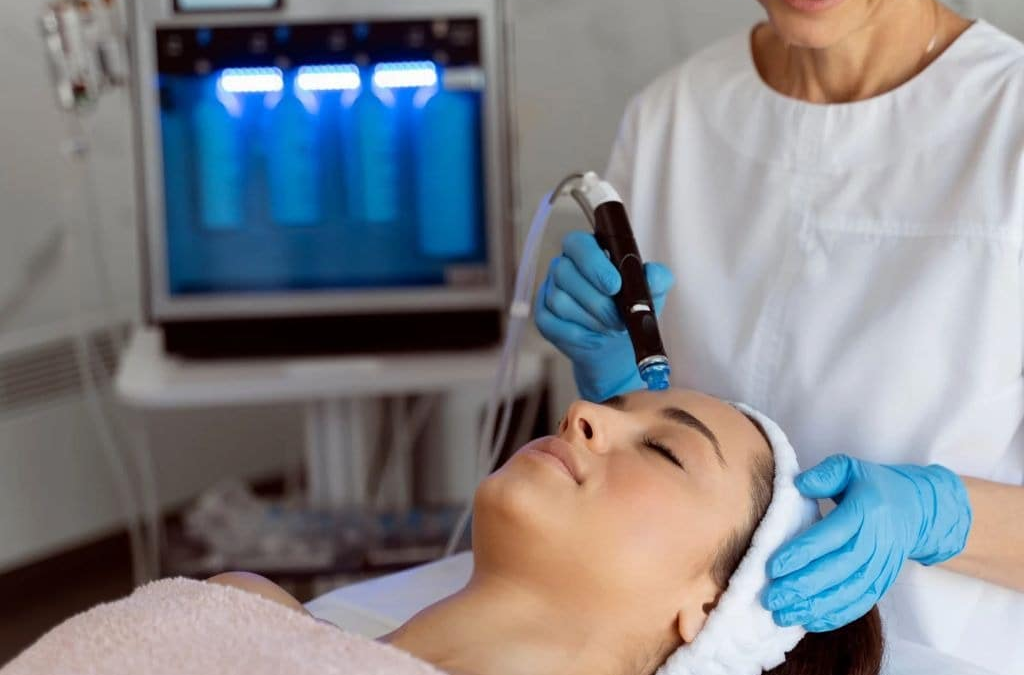
A Hydrafacial is a professional facial treatment that uses specialized technology to deeply cleanse the skin while delivering hydrating and nourishing ingredients.
Unlike traditional facials, which may involve manual extractions and more intensive exfoliation, Hydrafacial uses a specialized device to remove dead skin cells, extract impurities, and infuse the skin with moisturizing serums.
This treatment has become popular because it offers several benefits in one session, including:
- Deep cleansing: Helps remove dirt, oil, and impurities accumulated in the pores.
- Gentle exfoliation: Removes dead skin cells to reveal a smoother complexion.
- Hydration: Delivers moisturizing ingredients that help improve skin appearance.
- Improved texture: Helps minimize the appearance of roughness and uneven skin.
- Brighter complexion: Gives the skin a fresher and more radiant appearance.
Whether you want to improve your skin texture or simply enjoy a refreshing skincare experience, understanding the treatment is the first step toward better results.
Hydrafacial tips: What to do before your appointment
Preparation is an important part of any professional skincare treatment. Although Hydrafacial is generally gentle, following a few recommendations before your appointment can help your skin be ready for the experience.
1. Avoid aggressive exfoliation
In the days leading up to your appointment, avoid using harsh scrubs or exfoliating products that could irritate your skin. Ingredients such as retinoids and strong exfoliating acids may also need to be temporarily paused, depending on your skin and professional recommendations.
2. Keep your skincare routine simple
Before your treatment, focus on gentle cleansing and moisturizing. Avoid experimenting with new products that could cause unexpected irritation.
3. Stay hydrated
Drinking enough water supports your body’s overall hydration. Although water alone will not determine your Hydrafacial results, maintaining healthy habits contributes to your general well-being.
4. Share your skin concerns
Let your skincare professional know if you have sensitive skin, active breakouts, allergies, or a history of irritation. This information helps determine whether the treatment is appropriate and how it should be customized.
5. Avoid excessive sun exposure
Protecting your skin from the sun is always important. Try to avoid sunburn or excessive UV exposure before your appointment.
What to do after a hydrafacial to maintain your results
After your appointment, your skin may look brighter, smoother, and more hydrated. To maintain these results, it is important to follow a gentle skincare routine.
Here are some essential hydrafacial tips to incorporate into your post-treatment routine.
- Use a gentle cleanser: Avoid aggressive cleansers or products that leave your skin feeling tight. Choose a gentle formula that removes impurities without compromising your skin barrier.
- Apply moisturizer: Hydration is essential for maintaining a healthy-looking complexion. Use a moisturizer appropriate for your skin type to help keep your skin soft and comfortable.
- Wear sunscreen every day: Sun protection should be a non-negotiable part of your skincare routine. Apply broad-spectrum SPF 30 or higher and reapply as directed, especially when spending time outdoors.
- Avoid harsh active ingredients temporarily: Depending on your skin’s sensitivity and the products used during your treatment, your skincare professional may recommend avoiding retinol, exfoliating acids, and abrasive scrubs for a short period.
- Give your skin time to recover: Even though Hydrafacial is generally well tolerated, everyone’s skin responds differently. Avoid unnecessary treatments or aggressive procedures immediately afterward unless your skincare professional recommends them.
How often should you get a hydrafacial?
One of the most common questions about this treatment is how frequently it should be performed.
Many people choose to schedule a Hydrafacial approximately once a month as part of their skincare routine. However, the ideal frequency depends on several factors:
- Your skin type and sensitivity.
- Your skincare goals.
- The presence of acne, dryness, or uneven texture.
- Your current skincare routine.
- Your professional’s recommendations.
For example, someone looking to maintain a consistently hydrated and radiant complexion may benefit from a regular treatment schedule. On the other hand, individuals with sensitive or reactive skin may need a more personalized approach.
The best strategy is to avoid assuming that more treatments automatically mean better results. Consistency and professional guidance are much more important.
Common hydrafacial mistakes you should avoid
Even with an excellent professional treatment, certain habits can interfere with your skincare goals.
Some common mistakes include:
- Skipping sunscreen: Sun exposure can contribute to premature aging, dark spots, and uneven skin tone.
- Over-exfoliating: Combining too many exfoliating products can irritate the skin and damage its protective barrier.
- Using too many skincare products: A complicated routine is not necessarily more effective. Choose products that address your actual skin concerns.
- Ignoring professional recommendations: Your skin has individual needs, so following personalized aftercare instructions is essential.
- Expecting permanent results: Hydrafacial can improve the appearance of your skin, but it does not stop the natural aging process or permanently eliminate every skin concern.
Avoiding these mistakes can help you maintain a healthier-looking complexion between appointments.
Can you get a hydrafacial if you have sensitive skin?
Yes, some people with sensitive skin may be candidates for Hydrafacial. However, the treatment should always be evaluated and customized according to individual needs.
If your skin tends to become red, irritated, or uncomfortable after using skincare products, communicate this before your appointment.
A skincare professional can evaluate your skin condition, review your current routine, and determine whether the treatment is suitable.
If you have active skin infections, open wounds, severe irritation, or other dermatological concerns, you may need to postpone the treatment and seek appropriate medical advice.
Remember that healthy skincare is not about following every trend. It is about choosing treatments that respect your skin’s condition and long-term needs.
Achieving a radiant complexion requires more than a single facial treatment. Preparing your skin, following proper aftercare, staying consistent with hydration, and protecting yourself from the sun are essential habits for maintaining healthy-looking skin.
Following these hydrafacial tips can help you make the most of your skincare experience while building a routine that supports your skin’s individual needs.
If you are looking for professional skincare treatments in Florida, Medical Advanced Skin Care in Lighthouse Point, Florida offers an opportunity to explore personalized skincare options. Their team can help you learn more about available treatments and determine which approach may be appropriate for your skin goals.
Visit them to discover their services and learn more about their skincare solutions. Contact their team today to schedule a consultation and take the next step toward healthier, more radiant-looking skin!
Questions about hydrafacial
1. What are the best hydrafacial tips for maintaining glowing skin?
The best Hydrafacial tips include using a gentle cleanser, applying moisturizer, wearing broad-spectrum SPF 30 or higher, avoiding aggressive exfoliation immediately after treatment, and following your skincare professional’s aftercare recommendations. Consistent skincare habits help maintain a healthy-looking and hydrated complexion.
2. How long do Hydrafacial results last?
Hydrafacial results can last several weeks, although this varies depending on skin type, lifestyle, and skincare habits. Many people schedule treatments approximately once a month to maintain their complexion. Daily hydration, sun protection, and an appropriate skincare routine can also support longer-lasting results.
3. Is Hydrafacial suitable for all skin types?
Hydrafacial may be suitable for many skin types, including normal, oily, dry, and combination skin. However, people with sensitive or reactive skin should receive an individual evaluation before treatment. A skincare professional can determine whether the procedure is appropriate and recommend adjustments based on specific skin concerns.