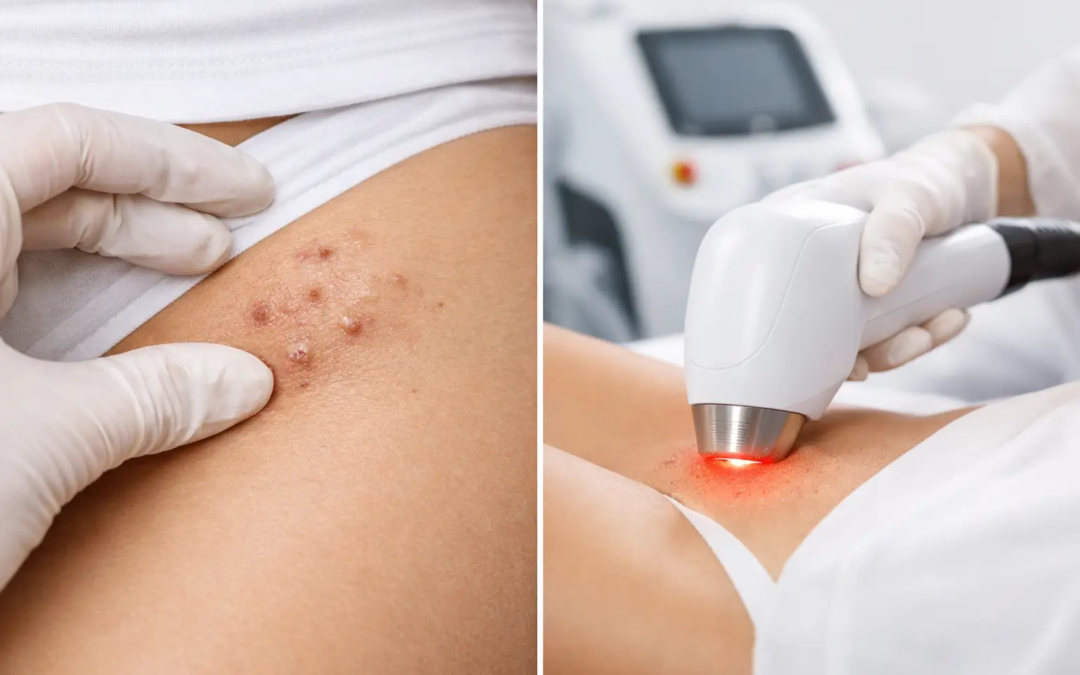
If shaving leaves you with tender bumps along the bikini line, jawline, neck, or underarms, you are not dealing with a minor nuisance. Ingrown hairs can be painful, visible, and stubborn, especially when they keep returning in the same areas. That is why laser hair removal for ingrown hairs is often more than a cosmetic choice. For many patients, it is a practical way to break a frustrating cycle of irritation, discoloration, and constant maintenance.
Why ingrown hairs keep coming back
An ingrown hair happens when a hair curls or grows back into the skin instead of rising cleanly out of the follicle. This is more common in areas that are shaved, waxed, or tweezed regularly. It is also more common when hair is coarse, curly, or dense, because that shape makes it easier for the strand to bend back toward the skin.
Once the hair becomes trapped, the skin may react with redness, swelling, itching, tenderness, or pus-filled bumps that look like acne. In some cases, repeated inflammation can leave behind dark marks or textural changes. For patients with deeper skin tones, post-inflammatory hyperpigmentation can linger longer than the bump itself.
The reason ingrown hairs feel endless is simple. Traditional hair removal methods keep the cycle going. Shaving creates a sharp edge at the tip of the hair. Waxing and tweezing can irritate the follicle. If your skin is already prone to inflammation, each round of hair removal can set the stage for the next breakout of bumps.
How laser hair removal for ingrown hairs works
Laser hair removal for ingrown hairs addresses the problem closer to its source. Instead of removing visible hair at the surface, laser energy targets pigment in the hair follicle. The follicle absorbs that energy, which reduces its ability to produce new hair over time.
As hair growth becomes finer, slower, and less dense, there is simply less opportunity for hairs to become trapped under the skin. That is the key difference. The treatment is not just calming the bump you can see today. It is reducing the repeated trigger that keeps causing the issue.
This is why patients often notice more than smoother skin. They may also see fewer inflamed bumps, less itchiness after shaving, and a gradual improvement in the dark marks that repeated ingrowns can leave behind. The pigment is not treated directly by laser hair removal, but when new inflammation stops happening so often, the skin has a better chance to clear and recover.
What kind of results are realistic?
Laser treatment can be highly effective for recurrent ingrown hairs, but realistic expectations matter. It usually takes a series of sessions because hair grows in cycles, and the laser works best when the hair is in its active growth phase. Most patients need multiple appointments spaced several weeks apart, followed by occasional maintenance depending on the area, hair type, and hormonal factors.
You should also expect improvement rather than overnight perfection. Some people notice fewer bumps after the first few treatments. Others need more time before the skin looks consistently calmer. If you have years of irritation, scarring, or pigmentation, the skin may need additional support beyond hair reduction alone.
That is where personalized planning matters. In a clinical setting, treatment can be adjusted based on your skin tone, hair texture, the area being treated, and how reactive your skin tends to be. A one-size-fits-all approach is not ideal when the goal is both comfort and visible skin improvement.
Best areas to treat
The most common treatment areas for ingrown hairs are the bikini line, Brazilian area, underarms, face, neck, chest, and legs. Men often seek treatment for ingrown hairs on the beard area and back of the neck, especially if close shaving for work or personal preference keeps causing irritation.
Women frequently seek help for the bikini area and underarms, where friction, moisture, and repeated shaving can make bumps worse. Facial ingrowns can also be emotionally draining because they are harder to conceal and can be mistaken for acne.
In each of these areas, reducing the density and coarseness of hair can make a meaningful difference in day-to-day comfort. The benefit is not only aesthetic. It can change how your skin behaves between appointments, after shaving, and during warm South Florida months when sweat and friction tend to aggravate sensitive follicles.
Is laser hair removal right for everyone?
Not always, and that is where an honest consultation is important. Laser hair removal tends to work best when there is enough contrast between the pigment in the hair and the surrounding skin, although modern devices can safely treat a wider range of skin tones than older technology allowed. Hair that is dark and coarse usually responds better than hair that is very light, gray, red, or white.
There are also medical and timing considerations. Recent sun exposure, active skin infections, certain medications, and some hormonal conditions may affect when or how treatment should be performed. If the bumps are not actually ingrown hairs but another skin condition such as folliculitis, acne, or irritation from products, the best plan may involve a different treatment path.
This is one reason many patients prefer a medical aesthetics setting over a basic spa model. When skin health is part of the conversation, treatment recommendations can be more precise and more protective of long-term results.
What treatment feels like
Most patients describe laser hair removal as a quick snapping or warming sensation. The level of discomfort depends on the area being treated, your pain tolerance, and the type of device used. Sensitive areas like the bikini line can feel more intense than the legs or underarms, but sessions are usually fast.
After treatment, mild redness around the follicles is common and often temporary. Some patients feel as if they have a light sunburn for a short period. In experienced hands, the goal is to keep treatment effective while minimizing unnecessary irritation, which is especially important when the skin is already prone to bumps and inflammation.
How to support better results between sessions
A good laser plan should also include guidance for home care. Picking at bumps, over-exfoliating, or using harsh scrubs can make pigmentation and irritation worse. Gentle cleansing, light exfoliation when appropriate, and sun protection are often part of protecting the skin while it heals.
You may also be advised to avoid waxing or tweezing between sessions, since the follicle needs to be present for the laser to target it effectively. Shaving is typically allowed, and for many patients, it becomes less irritating as treatments progress and the hair changes.
If you are prone to dark marks after inflammation, that concern should be part of the treatment conversation from the start. Calming the cycle of ingrowns is often the first step. Supporting a more even skin tone may require additional professional care after the hair issue is under better control.
When it is worth considering professional treatment
If your ingrown hairs are occasional and mild, a change in shaving technique or skin care may help. But if you are regularly dealing with painful bumps, recurring inflammation, razor burn, scarring, or discoloration, it may be time to stop managing the symptom and start addressing the pattern.
That is where laser hair removal can offer real relief. In the right patient, it can mean fewer bumps, smoother texture, less visible irritation, and less time spent trying to fix the same problem over and over. At Medical Advanced Skin Care, that conversation is approached with the same philosophy that guides every treatment recommendation – clinical beauty, real results, and care that is tailored to your skin rather than forced into a standard package.
The best next step is not guessing whether your skin will eventually calm down on its own. It is finding out why it keeps reacting this way and choosing a treatment plan that gives your skin a fair chance to stay clear, comfortable, and confident.