Unwanted hair can be frustrating, especially when shaving, waxing, and other traditional hair removal methods become part of your endless beauty routine. Fortunately, modern aesthetic technology offers a more convenient alternative: laser hair removal. But did you know that the laser hair removal head plays an important role in how the treatment is delivered?
Understanding how this component works can help you make more informed decisions about your skincare treatments and achieve results that align with your beauty goals.
What is a laser hair removal head?
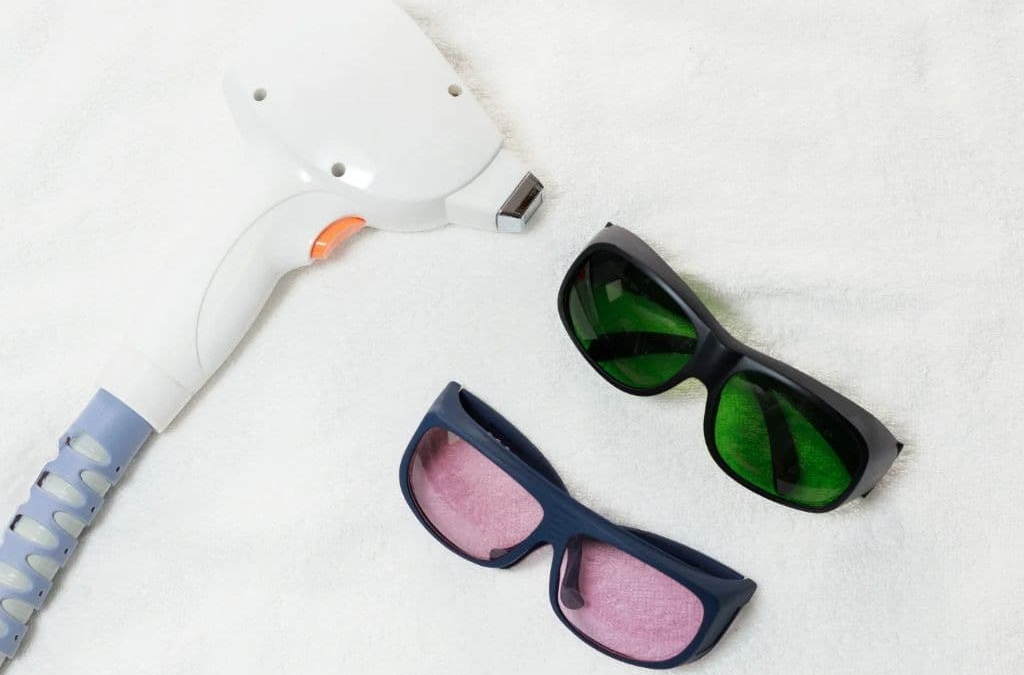
A laser hair removal head is the part of a laser device that delivers controlled light energy to the treatment area. Depending on the technology, it may include optical components, cooling features, and specialized settings designed to target hair follicles while protecting the surrounding skin.
The design and capabilities of the treatment head can influence the treatment experience, including coverage, comfort, and the ability to address different body areas.
Although the term may sound technical, its purpose is straightforward: to help deliver laser energy effectively and consistently during a hair removal session.
How does laser hair removal work?
Laser hair removal uses concentrated light energy that is absorbed by pigment in the hair. This energy helps damage the hair follicle and reduce its ability to produce new hair.
Because hair grows in different cycles, multiple sessions are usually necessary to achieve significant, long-lasting hair reduction. The number of treatments depends on several factors, including hair color, skin tone, the area being treated, and the type of laser technology used.
A professional consultation is essential to determine whether the treatment is appropriate for your skin and hair characteristics.
Why does the laser hair removal head matter?
Not all laser devices are designed the same way. The laser hair removal head can influence several aspects of the procedure, making it an important consideration when evaluating professional hair removal treatments.
1. Treatment Precision
Different treatment areas require different approaches. The upper lip, chin, underarms, legs, and bikini area vary in size and sensitivity.
A device with an appropriately designed treatment head can help a qualified professional work efficiently across different areas while maintaining control over the application of laser energy.
2. Comfort During Treatment
Some laser systems incorporate cooling mechanisms that help protect the skin’s surface and improve comfort during treatment.
The cooling technology available depends on the device. Patients should ask their provider about the system being used and what they can expect during the session.
3. Treatment Efficiency
The size of the treatment window and the device’s operating settings can affect how quickly an area can be covered.
For example, larger treatment areas may benefit from equipment designed for efficient coverage, while smaller areas require greater precision. The right approach depends on the treatment area and the patient’s individual needs.
4. Skin Safety
Laser hair removal requires careful consideration of skin tone, hair characteristics, and the technology being used.
The treatment head alone does not determine safety. Proper device selection, appropriate settings, professional training, and adequate eye protection are all essential components of a responsible treatment process.
What should you consider before laser hair removal?
Before scheduling your first appointment, take time to evaluate the treatment and your expectations.
- Your skin tone and hair color: Different laser technologies work differently depending on the amount of pigment in the hair and the characteristics of the skin. Some hair colors, particularly white, gray, blond, and red, may respond poorly to conventional laser hair removal.
- Your treatment area: Facial hair may require a different approach from hair on the legs or back. Make sure your provider understands your goals and evaluates the area before beginning treatment.
- Your provider’s experience: Choose a qualified professional who can explain the procedure, discuss possible side effects, and recommend suitable technology for your needs.
- Your preparation routine: Providers commonly recommend avoiding tanning and following specific instructions about shaving before treatment. Ask which skincare products and hair removal methods you should avoid before your appointment.
- Your expectations: Laser hair removal typically provides long-term hair reduction rather than a guarantee of permanent, completely hair-free skin. Maintenance sessions may be necessary.
Is laser hair removal suitable for everyone?
Laser hair removal can be an effective option for many people, but it is not appropriate for every skin or hair type.
Temporary redness, swelling, and discomfort can occur after treatment. Less common complications include burns, pigment changes, blistering, and scarring, particularly when the procedure is performed incorrectly or unsuitable settings are used.
A professional assessment helps determine the most appropriate approach. Be sure to disclose any medications, recent tanning, skin conditions, or history of unusual scarring during your consultation.
Following aftercare instructions, including sun protection, can also help support your skin’s recovery.
How to get the most out of your laser hair removal treatment
Achieving satisfactory results involves more than selecting a device with an advanced laser hair removal head. Consistency, professional guidance, and appropriate aftercare all contribute to the overall experience.
Attend your scheduled sessions, follow your provider’s recommendations, and avoid waxing or plucking between treatments when instructed, since these methods remove the hair that the laser needs to target.
Protect treated skin from excessive sun exposure and use sunscreen as recommended. If you experience unusual pain, blistering, or persistent skin changes, contact your healthcare provider.
Remember that the best treatment plan is one tailored to your individual skin characteristics, hair growth patterns, and personal goals.
Choosing the right laser hair removal treatment starts with understanding the technology, including the role of the laser hair removal head, and finding a professional who prioritizes your skin’s needs.
If you’re ready to explore your options for smoother-looking skin, Medical Advanced Skin Care in Lighthouse Point, Florida is a great place to start your search for professional skincare services.
Visit their website to learn more about their offerings and discover which treatments may fit your beauty goals. Contact Medical Advanced Skin Care today to ask questions, schedule a consultation, and take the next step toward a personalized skincare plan.
Your journey toward smoother skin begins with informed choices and professional guidance!
Questions about laser hair removal
1. What is a laser hair removal head, and how does it work?
A laser hair removal head is the component of a laser device that delivers light energy to the treatment area. The energy targets pigment in the hair to damage the follicle and reduce future hair growth.
2. How many laser hair removal sessions are usually needed?
The number varies according to the treatment area, hair color, skin tone, and laser technology. Multiple sessions are generally required because hair grows in different cycles, and some people may need maintenance treatments.
3. What should I look for when choosing a laser hair removal provider in Lighthouse Point, Florida?
Look for a qualified professional who evaluates your skin and hair characteristics, explains the technology and potential risks, provides clear preparation and aftercare instructions, and develops a treatment plan tailored to your needs.