A smooth complexion can still look tired when sun damage, enlarged pores, creasing, or skin laxity begin to change the way light reflects off the face. That is why the decision between laser resurfacing versus radiofrequency should not come down to whichever treatment is trending. These technologies address different layers and concerns, and the right choice depends on what your skin needs most.
At Medical Advanced Skin Care, treatment planning starts with an honest look at your skin quality, goals, lifestyle, and tolerance for downtime. Some clients need a clearer, more even surface. Others are primarily concerned with firmness around the jawline, cheeks, neck, or eyes. Many benefit from a thoughtful combination over time rather than trying to make one treatment do every job.
Laser Resurfacing Versus Radiofrequency: The Core Difference
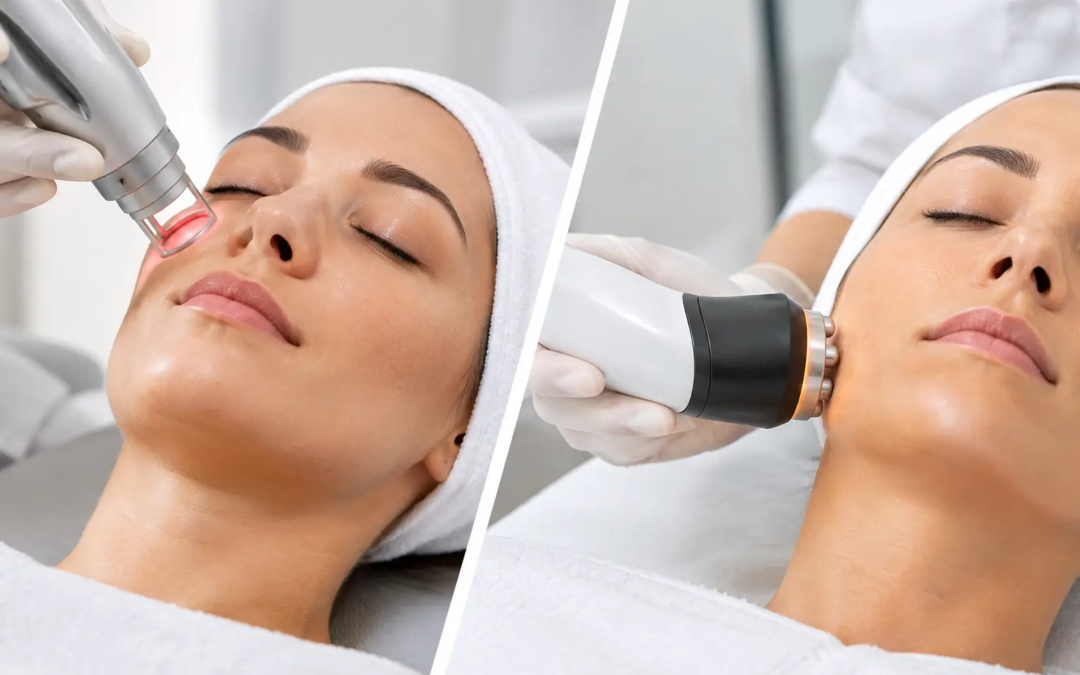
Laser resurfacing uses focused light energy to create controlled changes in the skin. Depending on the laser and treatment settings, it can target pigment, vascular redness, texture, acne scarring, fine lines, and signs of sun exposure. Some lasers remove a portion of the outer skin layer, while others heat tissue beneath the surface without removing skin.
Radiofrequency uses electrical energy converted into heat within the dermis, the deeper supportive layer of the skin. Its primary purpose is collagen remodeling. By delivering controlled heat, radiofrequency can encourage the skin to gradually build and reorganize collagen, helping it look firmer, smoother, and more supported.
The simplest distinction is this: laser treatments are often chosen for what you can see on the surface, while radiofrequency is often chosen for the structural changes you want to support beneath it. There is overlap, of course. Certain lasers also stimulate collagen, and some radiofrequency treatments can improve texture. But their strengths are not identical.
When Laser Resurfacing Is the Better Match
Laser resurfacing is often the more direct option when visible skin irregularities are leading the conversation. If your concern is brown spots from years of Florida sun, uneven tone, roughness, lingering acne marks, fine lines, or a dull complexion, a laser-based treatment may offer more meaningful surface renewal.
Ablative lasers create a more intensive resurfacing effect by removing tiny channels or portions of the outer skin layer. They can produce dramatic improvement in texture and deeper lines, but they also require a more deliberate recovery period. Redness, swelling, peeling, and careful post-treatment care are expected. This approach may be appropriate for someone who can plan around downtime and wants a stronger reset.
Non-ablative lasers work without removing the outer layer of skin. They generally involve less downtime and may be preferable for clients who want progressive refinement with a lighter recovery. Results often develop through a series of treatments, particularly for concerns such as early photodamage, mild texture changes, or uneven pigment.
Laser treatment is not automatically the best choice for every skin tone or every type of discoloration. Melanin-rich skin can be safely treated with the right technology and conservative settings, but this requires thoughtful assessment. An aggressive or poorly matched laser treatment can increase the risk of post-inflammatory hyperpigmentation. Clinical expertise matters as much as the device itself.
When Radiofrequency May Be the Better Choice
Radiofrequency is especially appealing when skin laxity is more noticeable than discoloration. Clients often ask about radiofrequency when they see early jowling, a softer jawline, crepey skin, mild looseness on the neck, or a loss of firmness in the cheeks or around the eyes.
Because radiofrequency is designed to heat deeper tissue, it can support collagen production without the same level of visible peeling associated with many resurfacing treatments. Most people experience temporary warmth, pinkness, or mild swelling, then return to their routine relatively quickly. The trade-off is patience. Collagen remodeling takes time, so improvements tend to appear gradually over several weeks to months.
There are several forms of radiofrequency. Some treatments deliver energy through the skin’s surface, while radiofrequency microneedling pairs small needles with heat delivered at controlled depths. Radiofrequency microneedling may be considered for concerns involving pores, acne scars, and textural irregularities alongside mild laxity. The best modality depends on the area being treated, skin thickness, the degree of laxity, and your comfort with recovery.
Radiofrequency is not a substitute for a surgical lift when there is significant loose skin or heavy jowling. It can create a refreshed, firmer appearance, especially for early to moderate concerns, but ethical treatment planning means setting realistic expectations. The goal is natural-looking improvement, not a promise that energy-based treatment will replicate surgery.
Results, Downtime, and Comfort: What Changes the Decision?
When comparing laser resurfacing versus radiofrequency, the recovery timeline often helps clarify the choice. Laser resurfacing can create more noticeable short-term changes in color and texture, especially with stronger settings, but it may involve several days of redness, flaking, or social downtime. More intensive treatments can require a longer healing window and strict sun avoidance.
Radiofrequency usually has less visible downtime, which makes it attractive for busy professionals and clients who prefer a discreet treatment plan. A treatment may leave the skin warm or flushed for a day or two, but the recovery is often easier to accommodate. Results are more gradual, so it is better suited to someone comfortable investing in a collagen-building process rather than expecting immediate resurfacing.
Comfort also varies. Topical numbing may be used for many laser and radiofrequency procedures, and treatment settings should be selected with both safety and tolerability in mind. A proper consultation should include a discussion of prior cosmetic treatments, history of cold sores, active acne or irritation, medications, skin sensitivity, and your upcoming events or travel plans.
Can You Combine Laser and Radiofrequency Treatments?
For many clients, the most refined results come from treating texture and firmness as separate but connected concerns. A laser treatment may improve uneven pigment, rough texture, and the appearance of fine lines. Radiofrequency can then focus on collagen support and skin tightening in areas where the skin has begun to lose its youthful resilience.
These treatments are not always performed on the same day. Timing depends on the technology used, skin response, treatment intensity, and the provider’s protocol. Spacing treatments appropriately protects the skin barrier and allows your results to develop without unnecessary inflammation.
A combination approach can be particularly valuable after acne recovery, following weight changes, or for clients in their forties and beyond who are noticing both sun-related texture changes and gradual laxity. It can also be useful for prevention-minded clients who want to maintain skin quality before concerns become more advanced.
How to Choose the Right Treatment for Your Skin
Start with the concern that bothers you when you look closely in natural light. If brown spots, redness, roughness, pores, acne scarring, or etched fine lines stand out first, laser resurfacing may deserve priority. If your skin looks relatively even but feels less taut around the jawline, neck, cheeks, or eye area, radiofrequency may be the more aligned starting point.
Your schedule matters, too. A more intensive laser treatment may be worth planning for if texture and pigment are your main concerns and you can commit to recovery. If you need minimal downtime and are comfortable with gradual improvement, radiofrequency can fit beautifully into a long-term skin maintenance plan.
The most meaningful question is not, “Which treatment is better?” It is, “Which treatment is best for my skin right now?” A personalized consultation brings that answer into focus by evaluating your skin tone, degree of laxity, texture, goals, and comfort with recovery. With the right plan, your treatment should feel less like a gamble and more like a confident investment in healthy, radiant skin.