A big event is on the calendar, your skin looks tired, and you want visible freshness without hiding out at home afterward. That is where the oxygen facial vs HydraFacial decision often comes in. Both treatments can leave skin looking hydrated and luminous, but they work very differently – and the better choice depends on whether your skin needs a gentle glow boost, a deeper clean, or a more targeted reset.
At Medical Advanced Skin Care, treatment recommendations begin with your skin, not a trend. The goal is to choose a service that feels comfortable today while supporting clearer, healthier-looking skin over time.
What an Oxygen Facial Does
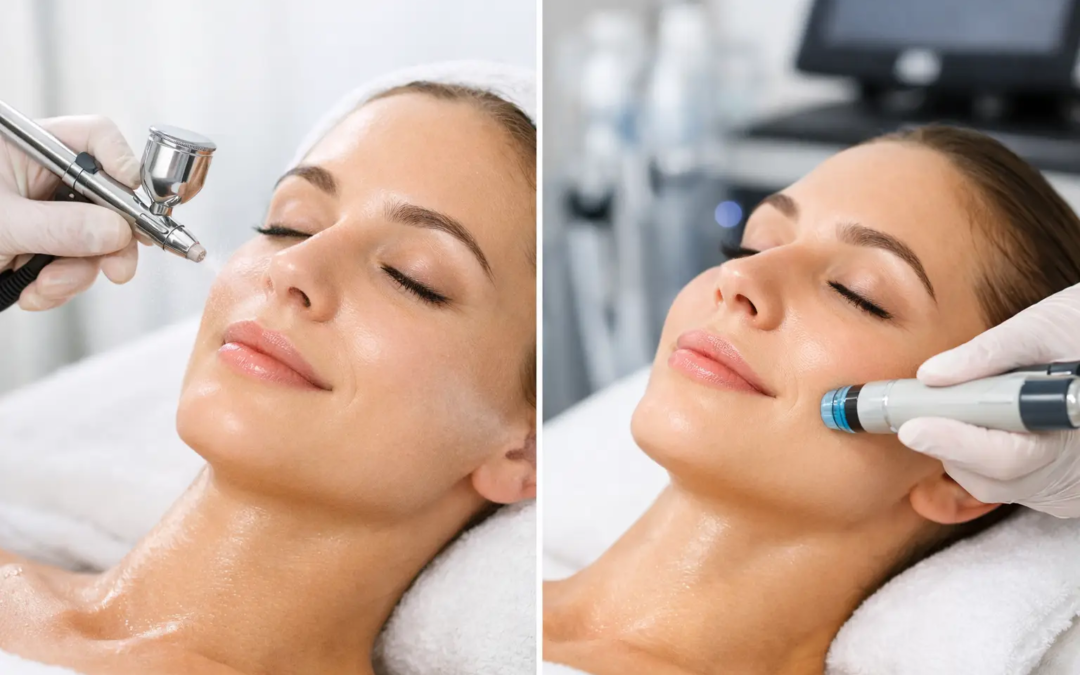
An oxygen facial is a soothing, hydration-focused treatment designed to revive dull, dehydrated, or stressed-looking skin. While protocols vary, the experience commonly combines gentle cleansing and exfoliation with concentrated serums and a stream of pressurized oxygen to help deliver those topical ingredients across the skin’s surface.
The result is typically skin that looks plumper, more radiant, and well-rested. It is a favorite before weddings, vacations, professional photos, and special occasions because it is gentle and generally requires little to no downtime. It can also be a welcome reset when South Florida heat, air conditioning, travel, or a busy schedule has left your complexion looking lackluster.
Oxygen facials are not intended to aggressively clear congestion or resurface significant texture concerns. Think of this treatment as elevated hydration and immediate glow rather than a deep corrective procedure. For clients with dry, sensitive, or temporarily reactive skin, that distinction can make all the difference.
Who Often Loves an Oxygen Facial
An oxygen facial may be the right fit if your priority is comfort, hydration, and a polished finish. It is especially appealing for skin that feels tight, looks dull under makeup, or needs a refreshed appearance before an important date. Many clients also appreciate it as part of a regular self-care routine between more intensive treatments.
Because every formula and skin condition is different, active acne, rosacea flares, eczema, recent procedures, and known ingredient sensitivities should always be discussed before treatment. Gentle does not mean generic. The right products and level of exfoliation should still be selected thoughtfully.
Oxygen Facial vs HydraFacial: The Key Difference
The central difference in an oxygen facial vs HydraFacial is the treatment focus. An oxygen facial centers on infusing hydration and creating an immediate, dewy glow. A HydraFacial is a multi-step, device-assisted treatment that combines cleansing, exfoliation, pore extraction, hydration, and antioxidant-rich serum delivery.
During a HydraFacial, a specialized handpiece uses vortex technology to lift away surface debris and impurities while simultaneously bathing the skin in treatment solutions. The process is customizable, which makes it useful for a wider range of concerns, including congested pores, uneven texture, dullness, dehydration, and the appearance of fine lines.
Clients often describe a HydraFacial as feeling clean rather than harsh. There is no manual squeezing, and the extraction step is designed to be more comfortable than traditional extractions. Still, the treatment is more active than a typical oxygen facial. If your skin is very compromised, peeling, or highly sensitized, a provider may recommend a gentler approach or adjust the treatment plan.
Where HydraFacial Has an Edge
HydraFacial is often the stronger choice when glow is only part of the goal. If you see persistent blackheads around the nose and chin, rough makeup application, visible buildup, or a complexion that seems both oily and dehydrated, the exfoliation and extraction components can provide a more thorough reset.
It also works well as maintenance for clients pursuing long-term skin health. Regular treatments may help keep pores clearer and surface texture smoother while delivering hydration that supports a more refined appearance. That does not mean every client needs the most intensive version. Customization matters, particularly for acne-prone, mature, sensitive, or pigment-prone skin.
Results, Downtime, and How Long They Last
Both treatments can produce same-day radiance. After an oxygen facial, skin often looks hydrated and rested immediately, with results that may last several days depending on your skin condition, home care, climate exposure, and makeup habits.
A HydraFacial can also create a visible glow right away, but clients frequently notice the added benefit of smoother texture and cleaner-looking pores. Results may remain noticeable for one to two weeks, though there is no single timeline that applies to every complexion. Consistent maintenance, sunscreen, and medical-grade home care do more for lasting results than any one appointment alone.
Neither service usually requires significant downtime. Mild temporary pinkness can happen after a HydraFacial, particularly if your skin is sensitive or the treatment includes more intensive exfoliation or boosters. An oxygen facial is generally the gentler option for someone who wants the least possible chance of post-treatment redness before an event.
Avoid scheduling any facial too close to a major occasion if it is your first time receiving that treatment. Give your skin at least several days, ideally longer, to show you how it responds. This is especially wise if you use retinoids, prescription acne products, exfoliating acids, or have a history of sensitivity.
Which Treatment Is Better for Your Skin Goals?
There is no universal winner. Choose an oxygen facial when your main concern is dryness, dullness, temporary fatigue, or a soft, hydrated glow with a very gentle treatment experience. It is an excellent option when you want to look refreshed without making skin feel challenged.
Choose a HydraFacial when you want hydration plus more comprehensive cleansing, exfoliation, and extraction. It tends to be the more versatile choice for clients managing visible congestion, uneven texture, or recurring buildup alongside dehydration and dullness.
If your goal is more pronounced correction for acne scarring, deeper lines, laxity, stubborn discoloration, or active pigment concerns, either facial may be only one part of the answer. Services such as chemical peels, microneedling, BBL, or skin tightening may be more appropriate depending on your skin assessment, history, and desired outcome. A facial can support healthy-looking skin, but ethical treatment planning means being clear about what it can and cannot accomplish.
How to Prepare and Care for Your Skin Afterward
For either treatment, arrive with a clean face if possible and share a complete picture of your current skin care routine. Let your provider know about retinoids, exfoliating acids, acne medication, recent injectables, recent laser treatments, allergies, cold sores, pregnancy, and any changes in your skin. These details help determine the safest, most effective protocol.
Afterward, keep your routine calm. Use a gentle cleanser, moisturizer, and broad-spectrum SPF. Skip scrubs, strong acids, retinoids, and at-home devices for the period your provider recommends. Your skin has just received professional attention; overdoing it at home can interfere with the smooth, hydrated finish you came in for.
The most rewarding facial is the one that respects your skin’s current needs. Whether that means the comfort and glow of oxygen therapy or the deeper refresh of a HydraFacial, a personalized consultation can turn a simple appointment into a plan for skin that looks healthy, refined, and confidently cared for.