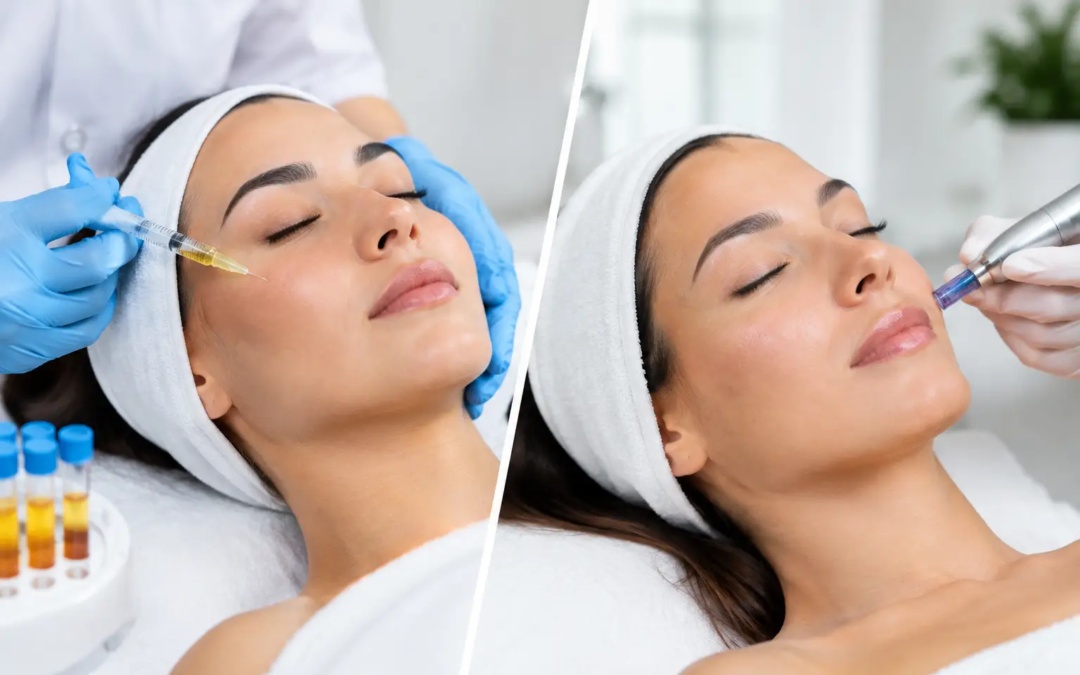
A treatment menu may present PRP facial versus microneedling as two separate choices, but the relationship is more nuanced. A PRP facial commonly includes microneedling as its foundation, then adds platelet-rich plasma from your own blood to the treatment protocol. The better question is often whether your skin would benefit from microneedling alone or microneedling enhanced with PRP.
For clients who want smoother texture, a healthier glow, and thoughtful anti-aging support without surgery, both treatments can be valuable. The right choice depends on your concerns, your comfort with downtime and blood draw, and the level of regenerative support your skin may need.
What Microneedling Does for Skin
Microneedling uses a medical-grade device, such as SkinPen®, to create controlled microchannels in the skin. These tiny, precise openings activate the skin’s natural repair response. As the skin renews itself, it can build new collagen and elastin, the structural proteins associated with firmer, smoother-looking skin.
The treatment is often chosen for early signs of aging, enlarged-looking pores, uneven texture, fine lines, mild acne scarring, and a dull or tired complexion. It can also improve the way skin reflects light, which is why clients often describe a more refined, refreshed appearance as their treatment series progresses.
Microneedling is not a one-time quick fix. Collagen remodeling takes time. Many people benefit most from a series of treatments spaced several weeks apart, followed by maintenance based on their skin goals. A customized plan also considers what else is happening in your routine, including active skincare ingredients, recent sun exposure, chemical peels, or energy-based treatments.
What Makes a PRP Facial Different?
PRP stands for platelet-rich plasma. During a PRP facial, a provider collects a small blood sample and processes it to concentrate the platelet-rich portion of the plasma. This serum is then applied to the skin during or after microneedling, allowing it to work alongside the skin’s natural recovery process.
Platelets contain growth factors involved in tissue repair. In aesthetic care, PRP is used to support skin renewal and may be a compelling option for clients focused on more advanced texture concerns, visible signs of aging, or an added regenerative element in their treatment plan. You may also hear this service called a Vampire Facial, although the clinical focus should always remain on safe technique, appropriate candidacy, and natural-looking skin health.
A PRP facial does not replace the role of microneedling. It builds on it. The microneedling process creates the controlled channels and initiates collagen stimulation, while PRP adds an autologous component, meaning it comes from your own body. For clients who prefer treatments that use their own biological material, that distinction can be meaningful.
PRP Facial Versus Microneedling: Key Differences
The most practical difference is the treatment experience. Standard microneedling typically includes topical numbing, the microneedling procedure, and carefully selected post-treatment products. A PRP facial adds a blood draw and processing step before the platelet-rich plasma is incorporated into the service.
Because PRP requires additional preparation and clinical handling, it is generally a more involved appointment and may cost more than microneedling alone. It can be worthwhile when the added approach aligns with your priorities, but more expensive does not automatically mean more appropriate. Skin concerns, medical history, budget, and desired treatment schedule all matter.
Downtime is often similar for both. Expect temporary redness, warmth, tightness, and mild swelling, much like a sunburn, especially during the first 24 to 72 hours. Some people experience light flaking or dryness as the skin recovers. PRP does not mean there is no recovery period, and a gentle aftercare routine remains essential.
Results also develop gradually with either option. You may notice a healthy post-treatment glow early on, but meaningful changes in texture and firmness are tied to the skin’s longer remodeling cycle. PRP may be selected to support that process, yet realistic expectations are part of ethical aesthetic care. Neither treatment can erase deep scars, significant laxity, or every line in a single visit.
When Microneedling Alone May Be the Right Choice
Microneedling alone is often an excellent starting point for clients who are beginning a collagen-stimulating skincare plan. It can make sense when your primary goals are refining mild texture, softening the look of pores, improving early fine lines, or restoring radiance after sun exposure and stress.
It may also be the more straightforward choice if you prefer a shorter appointment or do not want a blood draw. For many South Florida clients, a series of professionally planned microneedling treatments paired with diligent sunscreen use and medical-grade home care provides a meaningful path toward stronger, more polished-looking skin.
Microneedling can be customized through needle depth and treatment focus. For example, the approach for delicate areas around the mouth will not be identical to the approach used on acne-scarred cheeks. That level of adjustment is one reason a professional assessment matters more than choosing a treatment based on a trend.
When PRP May Be Worth Considering
A PRP facial may be appealing if you want to pair collagen induction with your body’s own platelet-rich plasma. Clients commonly ask about PRP when they are concerned about more noticeable texture changes, fine lines, a depleted-looking complexion, or skin that could use additional restorative support.
It may also fit those who value a more comprehensive regenerative treatment experience and are comfortable with the extra steps involved. Still, PRP is not for everyone. Certain blood disorders, active infections, pregnancy, some medications, and skin conditions may affect candidacy. A qualified provider should review your health history, current products, and recent procedures before recommending treatment.
If active acne, an open wound, a cold sore outbreak, eczema flare, or significant inflammation is present, treatment may need to wait. The goal is never to push forward with a procedure simply because it is on the calendar. Protecting the skin barrier and choosing the right timing supports safer, better-looking results.
Aftercare Matters as Much as the Appointment
Both treatments leave the skin temporarily more sensitive. For the first day or two, keep your routine simple and follow your provider’s specific guidance. This commonly means avoiding makeup immediately after treatment, intense workouts, heat exposure, swimming pools, and direct sun. Skip exfoliating acids, retinoids, and other potentially irritating active ingredients until your provider says it is appropriate to restart them.
Hydration and broad-spectrum sunscreen are nonnegotiable, particularly in South Florida. Freshly treated skin should not be exposed to unnecessary UV stress. Your provider may recommend gentle cleansing, restorative hydration, and medical-grade products that support recovery without overwhelming the skin.
Choosing a Plan That Feels Right for You
The best treatment is not necessarily the newest one or the one a friend loved. It is the one that respects your skin’s current condition and moves you toward your goals at a sensible pace. At Medical Advanced Skin Care, treatment planning begins with a close look at your concerns, lifestyle, tolerance for downtime, and the results you want to see in the mirror.
For some clients, microneedling is the clear, effective answer. For others, incorporating PRP feels like the right next step in a broader skin-rejuvenation plan. A thoughtful consultation can help you decide with confidence, so your treatment feels less like a guess and more like an investment in healthy, luminous skin.