Uneven texture rarely shows up as just one concern. It may look like enlarged pores around the cheeks and nose, shallow acne scarring, fine lines that catch makeup, or skin that feels less smooth than it used to. A SkinPen microneedling review for texture should be honest about that complexity: SkinPen can improve the look and feel of skin over time, but the best results come from the right diagnosis, a thoughtful treatment plan, and realistic expectations.
For clients who want visible rejuvenation without surgery or extended downtime, SkinPen is often a compelling option. It is not a quick surface polish. It is a collagen-induction treatment designed to support the skin’s natural renewal process from within.
What SkinPen Microneedling Does for Skin Texture
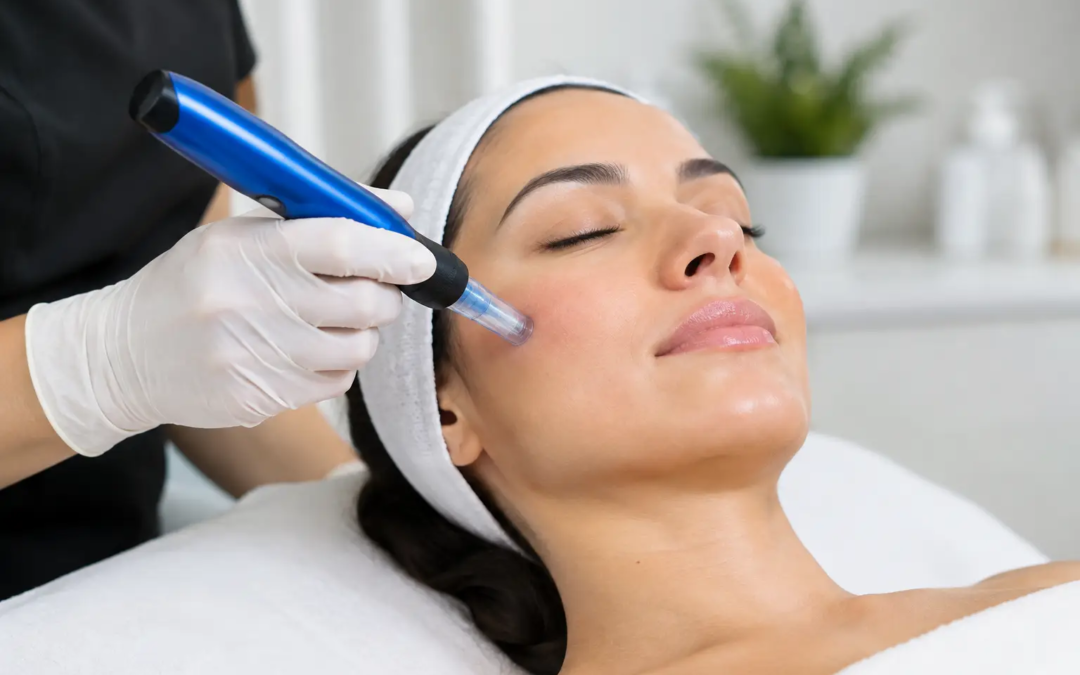
SkinPen is an FDA-cleared microneedling device that creates controlled microchannels in the skin using sterile, single-use needle cartridges. Those precise micro-injuries trigger the body’s natural wound-healing response, encouraging the production of collagen and elastin. Over time, this can help skin appear smoother, firmer, and more refined.
Texture improvements tend to be most noticeable in concerns that are tied to collagen loss or irregular collagen structure. Think mild to moderate acne scars, fine lines, visible pores, roughness, and early laxity. It can also support a more even-looking complexion, although brown spots, pronounced redness, and active melasma may need a different or combined approach.
This distinction matters. Microneedling is not meant to erase every line or scar in one appointment. It is a progressive treatment that helps create stronger, healthier-looking skin through a series of carefully planned sessions.
A Realistic SkinPen Microneedling Review for Texture
The most accurate review is not simply, “My skin looked better the next day.” Immediately after treatment, skin is usually pink to red and may feel warm, tight, or mildly sensitive. Some clients experience light swelling, particularly in delicate areas. This early response is expected and typically settles within 24 to 72 hours, though individual recovery varies.
The initial glow can be appealing, but collagen remodeling takes longer. Many people begin noticing a smoother surface and improved radiance within several weeks. More meaningful textural changes often develop gradually over the following months as new collagen matures. This is why providers commonly recommend a series of treatments, often spaced about four to six weeks apart.
For acne scarring, patience is especially important. Rolling scars and shallow boxcar scars may soften with microneedling, while deeper ice-pick scars usually need another strategy or a combination plan. A responsible consultation should identify the type of scarring present rather than promising the same result for every mark.
What results can look like
A successful outcome can be subtle in the best way. Makeup may apply more evenly. Skin may reflect light more smoothly rather than appearing uneven or crepey. Pores can look less noticeable because the surrounding skin has a firmer, more refined appearance. Fine lines may soften, especially when SkinPen is paired with consistent medical-grade home care and daily sunscreen.
The goal is refreshed, resilient skin, not an artificially altered version of your face. Results are personal, and they depend on age, skin health, sun exposure, genetics, lifestyle habits, treatment depth, and the concern being treated.
Who Is a Good Candidate?
SkinPen can be appropriate for many adult skin types and tones when performed by a trained provider using proper protocols. It is particularly attractive for people who want to address early signs of aging, textural irregularities, or acne scars without heat-based treatments or significant social downtime.
That said, microneedling is not right for everyone at every moment. Treatment may need to be postponed if you have active acne lesions, an active skin infection, open wounds, a cold sore outbreak, significant inflammation, or a recent sunburn. A history of keloid scarring, certain medical conditions, medications, pregnancy considerations, and recent use of acne medications should also be discussed during consultation.
A personalized plan matters just as much as the device itself. Skin that is dehydrated, sensitized, or over-exfoliated may need barrier support before a procedure. Someone focused primarily on sun spots might benefit more from BBL, a chemical peel, or another pigment-focused treatment. When texture, redness, discoloration, and laxity overlap, combining treatments thoughtfully can often produce a more balanced result than relying on one service alone.
The Appointment Experience: Comfortable, Precise, and Professional
A SkinPen appointment begins with clean skin and a thorough assessment. A topical numbing cream is typically applied before treatment to enhance comfort. Once the skin is prepared, the provider adjusts the approach based on the treatment area and the specific concern. The sensation is often described as light pressure or a vibration-like scratching feeling rather than significant pain.
The face is commonly treated in sections, with extra attention to areas affected by acne scars, fine lines, or uneven texture. The procedure itself is generally efficient, though the full appointment includes preparation, numbing time, treatment, and aftercare guidance.
Technique is not a minor detail. Needle depth, pattern, pressure, skin preparation, and sanitation all influence comfort and outcomes. At Medical Advanced Skin Care, the focus is on a treatment experience that feels both clinically responsible and personally tailored, so your plan reflects what your skin actually needs rather than a standard menu recommendation.
Aftercare That Protects Your Results
Aftercare is simple, but it requires discipline. The microchannels created during treatment are temporary, and your skin is more vulnerable while it recovers. Follow your provider’s instructions closely, especially regarding products and activities during the first few days.
For the first 24 hours, most clients should keep the routine minimal and gentle. Avoid makeup unless your provider says otherwise, do not use retinoids or exfoliating acids, and skip intense exercise, saunas, steam rooms, and swimming. Heat and sweat can increase irritation when skin is already flushed.
For the following several days, prioritize hydration, barrier-supporting products, and broad-spectrum sunscreen. South Florida sun exposure is a major consideration, even when you are only outdoors briefly. Freshly treated skin needs reliable sun protection to reduce the chance of irritation or unwanted pigmentation.
Avoid the temptation to add every active serum back into your routine immediately. More product is not better during healing. A calm, protected recovery gives your skin the conditions it needs to respond well.
SkinPen Versus Other Texture Treatments
SkinPen is a strong option, but not the only option. Chemical peels work closer to the surface and may be better suited for dullness, mild roughness, and certain forms of discoloration. Laser treatments can be more intensive and may be appropriate for select scarring or pigment concerns, but they often require more downtime and careful consideration for different skin tones.
PRP may be paired with microneedling for clients seeking an added regenerative component, though it is not mandatory for excellent treatment planning. HydraFacial treatments can complement a SkinPen series by supporting hydration and surface clarity between more intensive sessions. The ideal sequence depends on your goals, your skin’s tolerance, and the season.
The trade-off is straightforward: treatments that create deeper remodeling usually require more patience, while treatments with minimal downtime may focus more on surface-level refinement. A skilled provider helps you choose the level of intensity that fits both your skin and your schedule.
How Many Treatments Will You Need?
For general refinement and early signs of aging, a series of three sessions is a common starting point. More established acne scarring or pronounced texture may call for additional treatments. After completing an initial series, maintenance sessions can help support ongoing collagen health.
No ethical provider should give a universal number without seeing your skin. Your timeline may change based on your response, your goals, and whether other treatments are included. Before-and-after photos taken in consistent lighting can be more useful than checking the mirror every day, because collagen changes are gradual.
If you are considering SkinPen for texture, choose the provider relationship as carefully as the treatment itself. Ask what concern is being treated, what improvement is realistic, how your skin will be prepared, and what care will be recommended afterward. The right plan should leave you feeling informed, comfortable, and confident enough to let your results develop at their own pace.