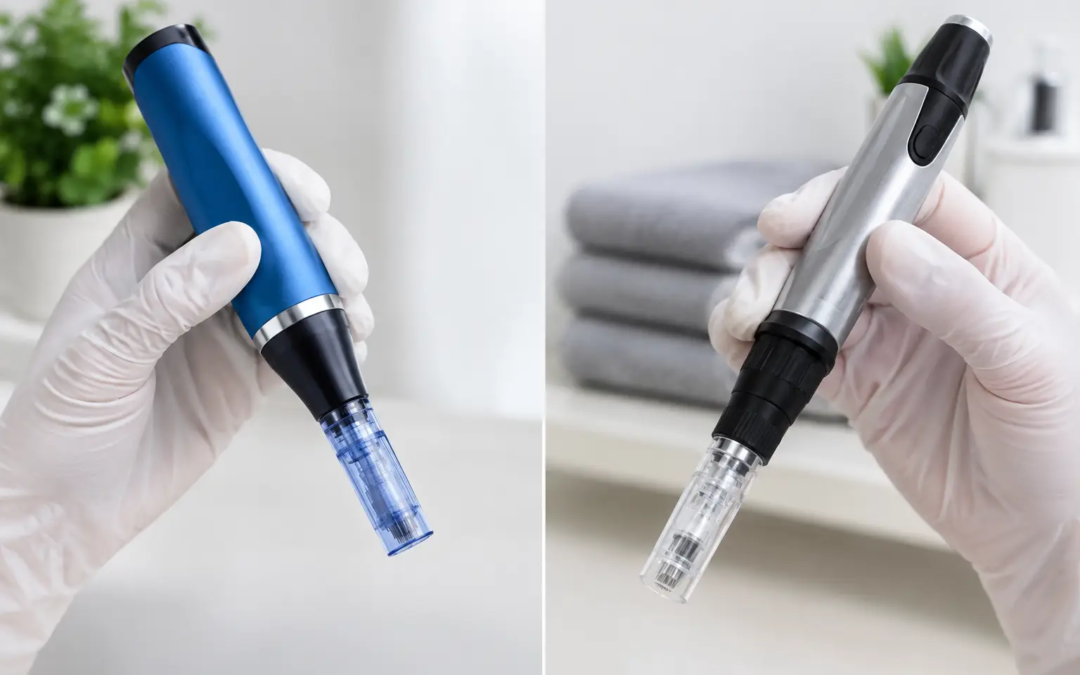
A microneedling appointment can look simple from the treatment bed: a small handheld device, a series of controlled passes, and a few days of recovery before skin begins to look smoother and more refreshed. But the SkinPen vs Dermapen differences can matter when you are choosing a provider, managing expectations, and investing in your skin long term.
Both treatments use precisely controlled microchannels to support the skin’s natural repair process. They may be used to improve the look of acne scarring, fine lines, uneven texture, enlarged pores, and overall dullness. The best choice is rarely about a device name alone. It is about the device, the treatment plan, the provider’s technique, and whether the approach is appropriate for your skin concerns.
SkinPen vs Dermapen differences at a glance
SkinPen and Dermapen are both brand names associated with professional microneedling devices. Each uses a cartridge of very fine needles that move rapidly in and out of the skin at a selected depth. The controlled micro-injuries signal a wound-healing response, encouraging collagen and elastin production over time.
SkinPen is a specific microneedling device widely recognized in U.S. medical aesthetics. SkinPen Precision has FDA clearance for improving the appearance of facial acne scars in adults age 22 and older. That clearance is meaningful because it reflects a reviewed intended use and testing standard. It does not mean the device is automatically the best answer for every concern or every complexion.
Dermapen is also a proprietary microneedling platform, although people sometimes use the word “dermapen” casually to describe any pen-style microneedling device. That can create confusion. A genuine Dermapen treatment uses the manufacturer’s device and compatible sterile needle cartridge. A generic microneedling pen is not necessarily a Dermapen, even if it has a similar shape or treatment method.
In practice, both can create excellent outcomes in skilled hands. Their differences are more relevant to treatment controls, needle configuration, clinical protocols, and the quality standards your provider follows than to a dramatic difference in the basic science of microneedling.
Device design and treatment control
One of the most useful ways to compare SkinPen and Dermapen is to look at how a provider can tailor treatment. Both systems allow for adjustable needle depths, which is essential because the thin skin around the eyes does not need the same approach as the cheeks, chin, or areas with deeper acne scarring.
SkinPen uses a disposable, single-use needle cartridge and a sealed design intended to support a clean clinical treatment environment. Providers can adjust depth based on the area being treated and the concern being addressed. Its established protocols make it a popular choice for patients seeking a medical-grade approach to facial rejuvenation and acne scar support.
Dermapen devices also use disposable needle cartridges and adjustable treatment settings. Depending on the model and the provider’s protocol, the device may offer different needle configurations or speed settings. These details can affect the feel of treatment, the precision of passes over textured areas, and the way a provider addresses small zones such as around the mouth or nose.
Neither device should be judged only by how fast it moves or how deep it can go. More depth is not automatically better. Overly aggressive treatment may increase downtime and irritation without producing better collagen remodeling. A thoughtful provider selects settings that respect your skin’s tolerance, your history of pigment changes, and the actual condition being treated.
The provider’s technique is part of the result
Microneedling is not a one-setting service. Proper technique includes preparing the skin, selecting an appropriate depth by facial zone, maintaining even pressure and passes, and using only products that are suitable for use during treatment. It also means knowing when to postpone treatment, such as during an active acne flare, cold sore outbreak, skin infection, or significant irritation.
This is why a consultation matters more than an online comparison chart. A device can be clinically sophisticated, but the safest, most refined outcome comes from trained hands and a plan built around your skin.
Results: What can you realistically expect?
The goal of either SkinPen or Dermapen microneedling is gradual improvement, not an overnight filter effect. Immediately after treatment, skin often appears pink to red and may feel warm or tight, similar to a mild sunburn. Most people experience visible redness for one to three days, though recovery varies with treatment intensity and individual sensitivity.
As the skin repairs itself, many patients notice a healthier glow first. Texture and fine lines may improve over the following weeks. For acne scars and more established textural concerns, a series of treatments is commonly recommended because collagen remodeling is cumulative. Your provider may also discuss carefully selected add-ons, such as platelet-rich plasma, when appropriate for your goals.
Results depend on the concern. Fine texture and radiance may respond sooner than deeper rolling or boxcar acne scars. Microneedling can soften the appearance of scars, but it cannot promise to erase every scar. For pigmentation concerns, it may be part of a broader plan that includes medical-grade skincare, chemical peels, or light-based treatments selected for your skin type.
Safety, skin tone, and downtime
When performed with professional equipment and appropriate protocols, microneedling can be suitable for a range of skin tones. Still, it should never be treated as one-size-fits-all. Patients prone to post-inflammatory hyperpigmentation need a careful plan that avoids unnecessary trauma and supports the skin barrier before and after treatment.
Be candid about your medical history during your consultation. Let your provider know about a history of keloid scarring, melasma, rosacea, autoimmune conditions, recurrent cold sores, current medications, recent injectable treatments, pregnancy, or use of isotretinoin. These factors do not always rule out treatment, but they may affect timing, preparation, or the recommended approach.
Aftercare is also part of safety. For the first few days, use gentle, provider-approved skincare, avoid direct sun exposure, and wear broad-spectrum sunscreen once your provider confirms it is appropriate. Skip exfoliating acids, retinoids, scrubs, sauna heat, and strenuous workouts until the skin has calmed. Do not schedule microneedling immediately before an event if you need to be camera-ready the next day.
How to choose between SkinPen and Dermapen
If your provider offers both devices, ask which one they recommend for your concerns and why. The answer should be specific. A well-considered recommendation might account for the type and location of scarring, skin sensitivity, past treatment response, desired downtime, and the number of sessions needed.
Also ask whether the device uses a new sterile cartridge for every appointment, how needle depth is selected, what products will be used during treatment, and what aftercare is included. These questions are not overly cautious. They are the foundation of ethical, medical-grade aesthetic care.
If a clinic promotes “dermapen” as a generic service, it is reasonable to ask what device is actually being used. Brand transparency helps you understand the quality controls behind your treatment and compare appointments fairly.
Is SkinPen better than Dermapen?
Not universally. SkinPen may be the preferred choice for patients who value its specific FDA-cleared indication for facial acne scars and its established treatment protocols. A genuine Dermapen platform can also be an excellent choice when used by a qualified provider with a personalized protocol. The better option is the one that fits your skin, your goals, and the expertise of the professional treating you.
Can microneedling be combined with other treatments?
Often, yes, but timing matters. Your provider may recommend a coordinated plan with chemical peels, BBL treatments, HydraFacial services, or targeted skincare rather than stacking treatments too aggressively in one visit. Strategic spacing protects the skin barrier while allowing each treatment to do its job.
At Medical Advanced Skin Care, microneedling recommendations begin with your skin, not a sales script. A personalized consultation can clarify whether SkinPen, another collagen-supporting treatment, or a combined plan is the most refined path toward smoother texture, brighter tone, and renewed confidence.