A facial should not leave you guessing whether your skin will look better tomorrow or simply feel temporarily soft. Medical grade facials are designed to do more: address visible concerns with professional techniques, advanced formulas, and a treatment plan built around what your skin needs now. For clients in South Florida, where sun exposure, humidity, and an active lifestyle can affect the complexion year-round, that individualized approach matters.
At Medical Advanced Skin Care, clinical expertise meets luxury care. The goal is not to sell a one-size-fits-all service. It is to help your skin look clearer, smoother, brighter, and more balanced through thoughtful treatment and consistent support.
What Makes Medical Grade Facials Different?
The phrase “medical grade” can mean different things from one provider to another, so it is worth asking what is actually included in the service. In a clinical aesthetics setting, medical grade facials typically go beyond surface cleansing and relaxation. They pair professional assessment with treatment methods, devices, or exfoliating agents selected for specific concerns such as congestion, dullness, rough texture, dehydration, early signs of aging, acne recovery, or uneven pigmentation.
A traditional spa facial may be a lovely choice when relaxation is the main goal. A medical facial is better suited to someone who wants a more targeted outcome and guidance on how to maintain it. That does not mean every appointment has to be intense. Some of the most effective treatments focus on replenishing hydration, calming visible redness, and supporting the skin barrier rather than aggressively resurfacing the skin.
The difference is in the plan. Your provider considers your skin type, sensitivity, current routine, history of cosmetic treatments, sun exposure, and the results you want to see. This makes it possible to choose an appropriate level of exfoliation and avoid treating skin as though every concern has the same solution.
A Personalized Facial Starts Before the First Step
The best facial is not necessarily the most aggressive one. It is the one that meets your skin where it is.
For example, a client dealing with clogged pores and a lackluster complexion may benefit from thorough cleansing, gentle extractions, exfoliation, and hydration. Someone with fine lines, crepey texture, or a tired appearance may be a better candidate for treatments that encourage a smoother surface and renewed radiance. If visible discoloration is the concern, the approach may include a carefully chosen peel or light-based treatment rather than repeated scrubs that can leave the skin irritated.
This is why an honest consultation is so valuable. Skin can appear oily while still being dehydrated. It can feel sensitive because it is over-exfoliated, not because it needs stronger products. Melasma, post-acne marks, rosacea-prone skin, and active breakouts each require a different level of care. A qualified provider will explain what makes sense, what should wait, and what results are realistic for your skin.
Treatments That May Be Part of Your Plan
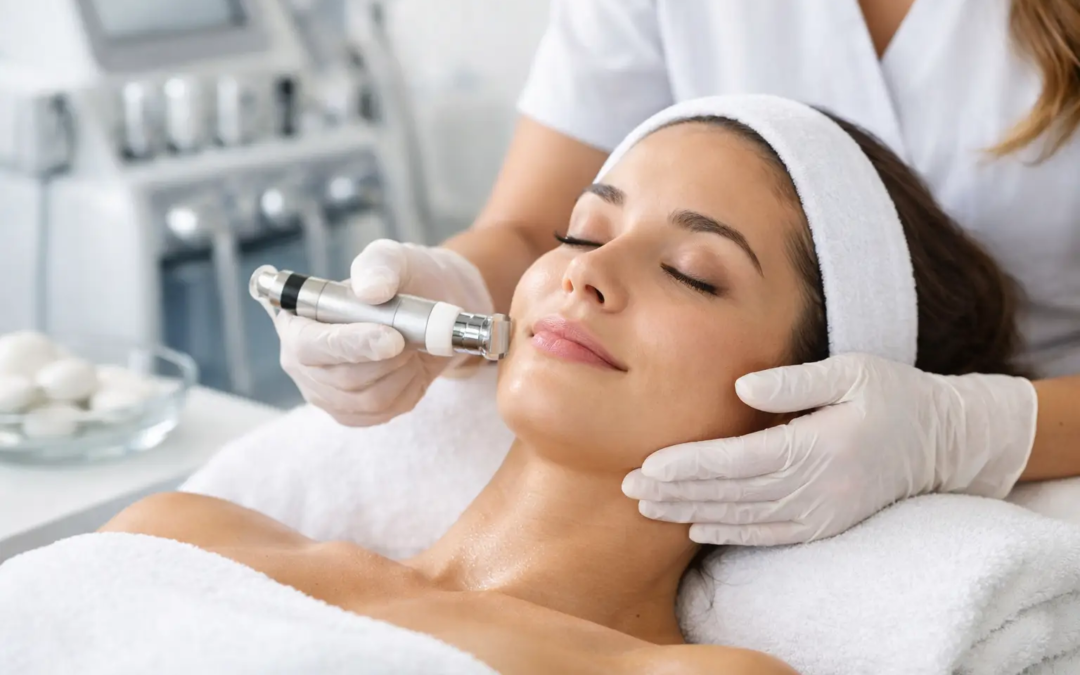
Medical grade facials can take many forms. HydraFacial® treatments are often chosen for their combination of cleansing, exfoliation, extraction, hydration, and antioxidant support. They can be an excellent option before an event or as part of a regular maintenance schedule, especially for skin that needs a healthy, polished glow without significant downtime.
Dermaplaning may be used to remove surface buildup and fine facial hair, helping the complexion look smoother and allowing makeup to apply more evenly. Oxygen facials can offer a refreshed, hydrated appearance when skin looks fatigued or depleted. Microdermabrasion may help improve dullness and mild textural concerns for appropriate skin types.
For more significant concerns, your provider may recommend a chemical peel, carbon peel laser facial, SkinPen® microneedling, PRP treatment, or BroadBand Light therapy as part of a broader skin-rejuvenation plan. These are not interchangeable services. Each has its own benefits, recovery expectations, and ideal candidates. The right choice depends on whether your priority is pigment, acne scarring, pores, uneven texture, fine lines, or overall firmness.
What Results Can You Expect From Medical Grade Facials?
Many clients notice a cleaner, more hydrated, and more luminous complexion soon after a facial. Makeup may sit better, rough patches can feel smoother, and the skin often looks more rested. Those immediate improvements are valuable, particularly before a special occasion, but lasting skin health comes from consistency.
More meaningful changes in texture, clarity, and uneven tone typically develop through a series of treatments and a home routine that supports the work done in the treatment room. Skin cell turnover takes time. Collagen-supporting treatments take time. Pigment can be especially patient, particularly in sunny climates where unprotected sun exposure can bring discoloration back.
It also depends on the treatment. A gentle hydrating facial may have little to no downtime and deliver an instant glow. A stronger peel or microneedling session may involve temporary redness, flaking, or sensitivity before the skin reveals its improvement. Your provider should be clear about this before treatment, not after.
When a Facial Is Not the Right First Choice
A results-driven approach sometimes means recommending restraint. Active skin infections, open wounds, severe irritation, sunburn, or certain inflammatory flare-ups may need to settle before a facial can be performed safely. Clients using prescription acne medications, retinoids, or other active skincare products may need to pause or adjust their routine before exfoliating treatments.
Pregnancy, a history of cold sores, recent cosmetic procedures, and some medical conditions can also affect which services are appropriate. These conversations are not meant to make treatment feel complicated. They are part of ethical, personalized care. Your comfort and skin health should come before a rushed appointment.
How to Prepare for Your Appointment
A little preparation helps your provider read your skin accurately and helps you get more from the visit. Avoid tanning and intentional sun exposure before treatment. If you use retinol, exfoliating acids, benzoyl peroxide, or prescription skincare, share that information during your consultation and follow the instructions you are given about pausing products.
Come in with a clear picture of your goals. You might want smoother makeup application before a wedding, fewer visible blackheads, help with post-acne marks, or a more even-looking complexion after years of Florida sun. Specific goals help guide the treatment plan.
Afterward, keep the routine simple. Use gentle cleanser, moisturizer, and daily broad-spectrum sunscreen. Avoid picking, scrubbing, or adding new active products while the skin is recovering. If you have had a peel, microneedling, or laser-based treatment, follow your customized aftercare instructions closely.
Building a Schedule That Makes Sense
There is no universal answer to how often you need a facial. Some clients enjoy a monthly HydraFacial® or dermaplaning appointment to maintain hydration and smoothness. Others schedule treatments seasonally, before events, or in a series to address a more specific concern.
Your skin, budget, lifestyle, and treatment goals all matter. A realistic plan that you can maintain is more valuable than an overly ambitious schedule you will not enjoy or continue. It may include periodic in-clinic care combined with a focused at-home regimen and reliable sunscreen use.
The most rewarding facial care does not make you feel like you need to hide afterward. It helps you feel more comfortable showing up as yourself, with skin that looks cared for, healthy, and refreshed. Start with a professional consultation, ask thoughtful questions, and choose the level of treatment that supports your confidence now and your skin health over time.