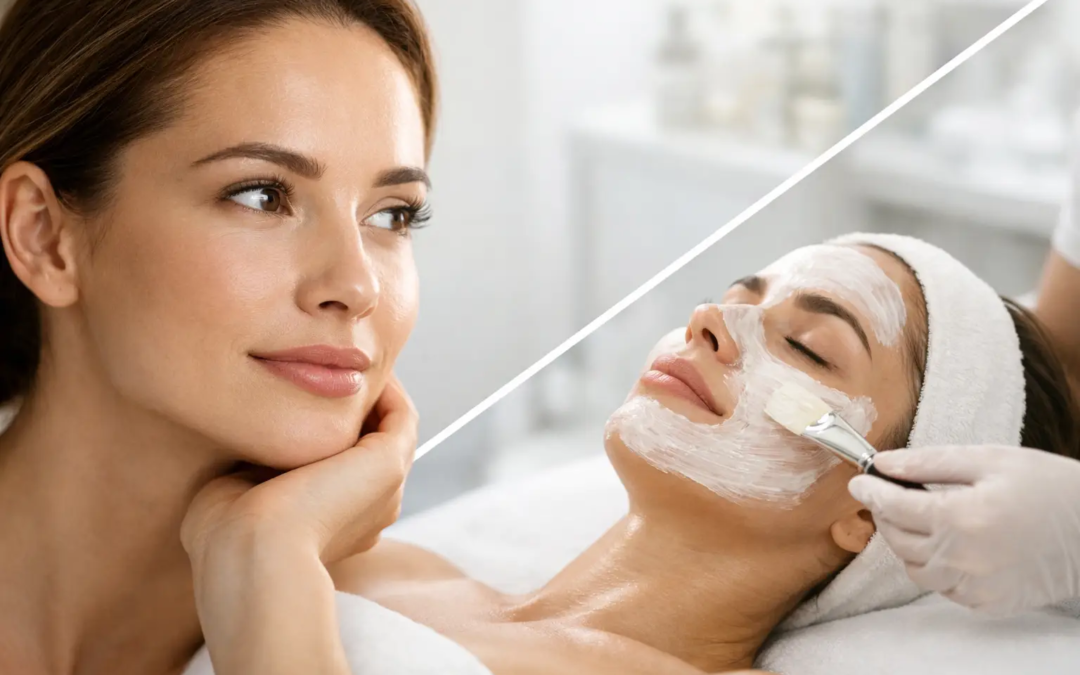
A new line that lingers after a good night’s sleep, makeup settling differently around the eyes, or sun spots that seem more noticeable each summer can all prompt the same question: when to start anti aging facials. The answer is rarely a single birthday. The right time depends on what your skin is showing, how it behaves, your lifestyle, and the kind of support it needs to stay healthy-looking over time.
Anti-aging facial care is not about trying to erase every expression or rushing into aggressive treatments. At its best, it is a thoughtful approach to preserving smooth texture, even tone, hydration, and firmness while addressing concerns early enough that they are easier to manage. Professional guidance makes the difference between simply booking a facial and building a treatment plan that respects your skin.
When to Start Anti Aging Facials: Look at Skin, Not Just Age
Many people begin professional facial treatments in their 20s, but that does not mean everyone needs intensive rejuvenation at that age. For younger adults, the focus is often prevention: thorough cleansing, exfoliation when appropriate, hydration, acne management, and protection from the visible effects of sun exposure. South Florida’s bright sun, heat, and humidity can make a consistent skin-health routine especially worthwhile.
In your 30s, you may notice that your skin does not bounce back as quickly from stress, travel, late nights, or time outdoors. Fine lines may become more visible, pigmentation can look less even, and pores or texture may be a greater concern. This is often an excellent time to introduce professional anti-aging facials and advanced skin rejuvenation treatments with a personalized cadence.
By the 40s and beyond, collagen loss, dryness, laxity, deeper lines, and accumulated sun damage may become more pronounced. Facials can still play an important role, particularly when paired with treatments designed to support smoother texture, brighter tone, and a firmer-looking appearance. Starting later is not “too late.” It simply means your plan may focus more on correction and ongoing maintenance in addition to prevention.
The more useful question is not, “Am I old enough?” It is, “What is my skin asking for now?”
Signs Your Skin May Benefit From Professional Care
A professional facial can be valuable before visible aging becomes a major concern, especially if you want to establish healthy habits and understand your skin better. It may also be time to schedule a consultation if you are seeing changes that do not improve with your usual at-home products.
Common signs include persistent dullness, rough or uneven texture, congestion, dehydration, new fine lines, dark spots, redness, acne marks, or makeup that no longer sits smoothly. These concerns can overlap. For example, skin can be oily yet dehydrated, or it can look dull because of surface buildup rather than a lack of moisturizer. Treating the wrong issue with the wrong products may lead to irritation without giving you the results you want.
A trained provider can assess what is happening beneath the surface and recommend options that fit your comfort level, schedule, and goals. That may be a gentle, restorative facial for hydration and glow, or it may include a more targeted treatment plan for pigmentation, texture, or collagen support.
Prevention Is Different From Aggressive Treatment
There is a common misconception that anti-aging care has to be intense to be effective. In reality, skin responds best to the right treatment at the right time. Over-exfoliating, using strong active ingredients without guidance, or scheduling procedures too frequently can compromise the skin barrier and create more sensitivity, redness, and dryness.
For someone in their 20s with occasional congestion and early sun exposure, a customized HydraFacial®, dermaplaning, or light exfoliation may be more appropriate than a procedure intended for significant textural concerns. In your 30s and 40s, chemical peels, SkinPen® microneedling, BroadBand Light (BBL™), or other advanced options may be considered based on pigmentation, fine lines, acne scarring, and overall skin condition.
The goal is not to choose the strongest treatment. It is to choose the treatment that has a clear purpose for your skin. A well-designed plan should leave you looking refreshed, not overtreated.
Your Lifestyle Changes the Timing
Age is only one part of the picture. Frequent outdoor activity, inconsistent sunscreen use, smoking, stress, poor sleep, certain medications, hormonal shifts, and a history of acne can all influence how the skin ages and heals. Genetics matter too. Some people develop sun spots or uneven tone early, while others notice dryness or fine lines first.
This is why a friend’s favorite facial may not be your best starting point. If you have active acne, rosacea-prone skin, melasma, eczema, or a history of post-inflammatory hyperpigmentation, your treatment approach needs additional care. The same is true if you are pregnant, breastfeeding, taking prescription skincare or certain medications, or preparing for an event with little recovery time.
An honest consultation should account for all of this. It should also include realistic expectations. Professional treatments can improve the appearance of many concerns, but they work best as part of a consistent plan that includes daily sun protection and appropriate home care.
How Often Should You Schedule Anti-Aging Facials?
Maintenance facials are often scheduled every four to six weeks, which aligns with the skin’s natural renewal cycle. That schedule is not mandatory for everyone. Some clients prefer seasonal appointments, while others benefit from a series of targeted treatments followed by less frequent maintenance visits.
Your provider may recommend a series when you are working on concerns such as acne scarring, discoloration, laxity, or uneven texture. Treatments that encourage collagen remodeling, including microneedling and certain energy-based treatments, are usually spaced out to give the skin time to respond. Chemical peel timing also depends on peel depth, skin sensitivity, sun exposure, and the goals of your plan.
For a special occasion, avoid experimenting with a new treatment at the last minute. Skin can react unpredictably, and even treatments with minimal downtime may cause temporary redness, dryness, or flaking. Plan ahead so your skin has time to settle and look its best.
Build a Plan That Evolves With Your Skin
The most effective anti-aging routine is not static. Your skin can change with the seasons, hormones, travel, stress, and the products you use at home. A treatment that worked beautifully last year may need to be adjusted as your needs change.
A strong plan often begins with skin-barrier support and sun protection, then adds targeted professional care where it will make a visible difference. Gentle treatments may help maintain clarity and hydration. More corrective options can be introduced strategically for texture, pigmentation, or firmness. There is room for both clinical precision and restorative self-care.
At Medical Advanced Skin Care, the focus is on matching advanced treatments to your individual skin goals, rather than placing every client on the same schedule. That personalized approach helps make aesthetic care feel measured, comfortable, and worthwhile.
If you are noticing changes in your skin or simply want to be more proactive, a professional consultation is a smart place to begin. You do not need to wait for deep lines or dramatic concerns to deserve expert care. The right time is when you are ready to invest in skin that looks healthy, feels cared for, and supports your confidence at every age.