A great treatment should never begin with a trend, a package, or a guess. It should begin with your skin. This guide to personalized skincare consultations explains what a meaningful aesthetic consultation looks like, how it shapes better results, and why the right plan can feel both luxurious and clinically sound.
At Medical Advanced Skin Care, personalized care is not an add-on to the experience. It is the foundation for treatments that support smoother texture, more even tone, firmer-looking skin, and lasting confidence without pushing you toward a service you do not need.
What a Personalized Skincare Consultation Should Accomplish
A personalized consultation is more than a quick skin check before a facial. It is a focused conversation about your skin history, current concerns, lifestyle, comfort level, and vision for your appearance. The goal is not to change how you look. It is to help your skin look healthier, refreshed, and more like its best self.
Your provider should assess what is happening beneath the surface as well as what you see in the mirror. Sun exposure, acne history, pigmentation, sensitivity, dehydration, hormonal changes, and collagen loss can all affect which treatments are appropriate. Two people may both ask for brighter skin, for example, yet one may benefit from a chemical peel while another needs a gentler approach, hydration support, or targeted light-based treatment.
The consultation also creates room for honesty. If a concern requires a series of treatments, maintenance visits, or realistic recovery time, you deserve to know that before making a decision. Clinical beauty should feel reassuring, not rushed.
Before Your Consultation: Arrive With the Right Details
You do not need to arrive with a perfect skincare vocabulary or a fully formed treatment plan. Your provider is there to guide the process. Still, a few details can make the appointment more productive.
Be ready to share the products you use at home, including prescription medications, retinol, acids, exfoliants, and supplements. Some ingredients and medications can affect skin sensitivity or require you to pause a product before certain procedures. It is also helpful to mention previous cosmetic treatments, allergies, pregnancy or nursing status, a history of cold sores, and any tendency toward prolonged redness or pigmentation after irritation.
Think about the outcomes you want, not just the procedure you have heard about. Perhaps you are frustrated by makeup settling into texture, uneven brown spots after years of Florida sun, acne scarring, unwanted hair, laxity around the jawline, or skin that simply looks tired. Naming the visible concern and how it makes you feel gives your provider a clearer starting point.
If you have an event approaching, share that too. Some treatments create a temporary glow with little downtime, while others can involve peeling, redness, or a gradual collagen-building process. The best plan considers your calendar as carefully as it considers your complexion.
What Happens During a Personalized Skincare Consultation
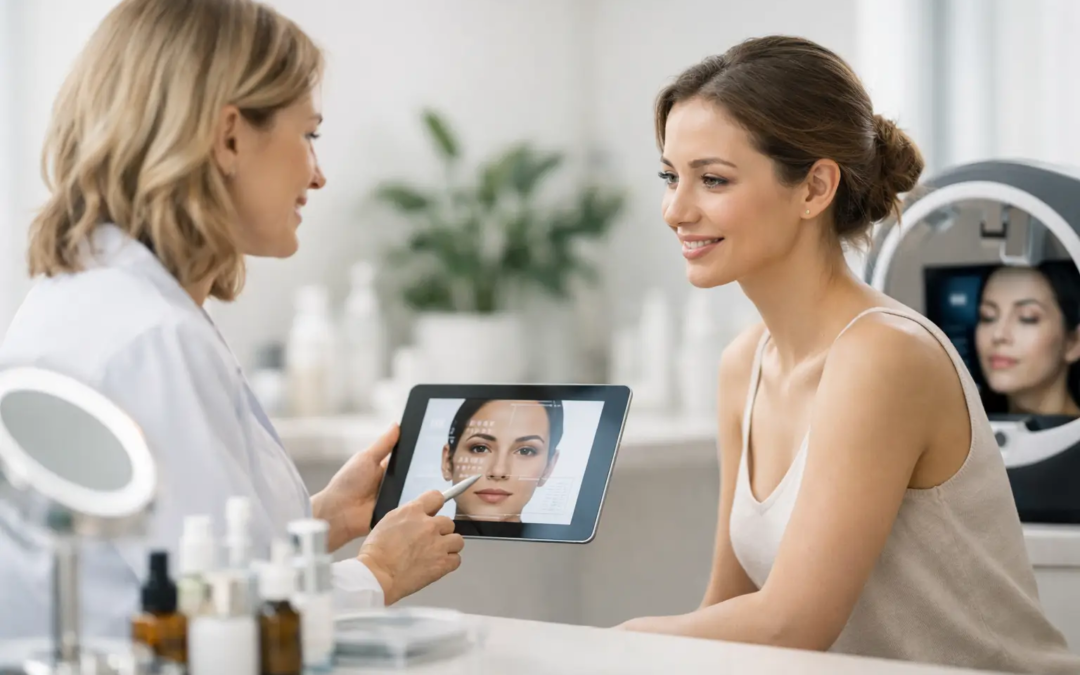
A thoughtful appointment usually begins with questions, followed by a close evaluation of your skin. Your provider may look at tone, texture, pore congestion, dehydration, pigmentation patterns, fine lines, breakouts, and areas of sensitivity. They should also consider your skin type and how your skin has responded to treatments in the past.
This assessment is where experience matters. Dullness may be caused by surface buildup, but it can also reflect dehydration. Redness can be temporary irritation, visible vessels, or a sign that the skin barrier needs support before more active treatments. Treating the wrong issue too aggressively can leave skin feeling compromised rather than renewed.
After the assessment, your provider should explain the options in clear language. You may discuss a HydraFacial® for cleansing and hydration, dermaplaning for a smoother surface, SkinPen® microneedling for texture and collagen support, or a chemical peel for targeted renewal. For discoloration and sun damage, BroadBand Light (BBL™) may be part of the conversation. If your priority is a firmer appearance without surgery, Ultraformer III can be considered as part of a carefully selected plan.
A recommendation should always include the why. Knowing why a treatment suits your skin helps you make decisions with confidence and understand how each appointment supports the larger goal.
Your Treatment Plan May Include More Than One Step
Personalization does not always mean choosing one treatment and repeating it forever. Skin changes with the seasons, stress, travel, hormones, and age. A plan may begin by restoring hydration and calming sensitivity, then progress to treatments that address pigment, texture, or laxity once the skin is prepared.
Combination planning can be especially useful when concerns overlap. For example, someone with rough texture and early signs of aging may benefit from microneedling over time, paired with occasional exfoliation or a hydrating facial between appointments. Someone addressing sun spots may need both in-clinic correction and a consistent medical-grade home routine to help protect the investment.
More treatment is not always better. Spacing and sequencing matter. Your provider should explain when treatments can complement each other, when they should be separated, and when your skin needs time to recover.
Questions Worth Asking Your Provider
The best consultations are collaborative. Ask what your provider sees, which concern should be addressed first, and what result is realistic after one treatment versus a full series. Ask about downtime, possible side effects, comfort measures, aftercare, and how long results typically last.
It is also reasonable to ask about alternatives. If you are not ready for a more intensive procedure, there may be a gentler treatment that provides a meaningful improvement with less recovery. If you want a more visible change, your provider can discuss the commitment involved rather than promising instant transformation.
Be especially clear about your boundaries. Some clients want no downtime before a vacation or business event. Others are comfortable with a few days of peeling if it means addressing a deeper concern. There is no universally right choice. The right choice is the one that aligns with your skin, schedule, budget, and comfort level.
Red Flags in Skincare Recommendations
A luxurious experience should still be grounded in ethical care. Be cautious if you feel pressured to purchase a large package before your skin has been properly evaluated, or if a provider dismisses your questions about risk and recovery. Promises of permanent perfection, instant dramatic results, or a single solution for every concern deserve a second look.
Your skin should not be treated like a sales opportunity. A trusted provider may recommend waiting, beginning conservatively, or focusing on barrier health before performing a more active procedure. That is not a lack of options. It is a sign of thoughtful clinical judgment.
Likewise, a plan should include home care when it is relevant. Professional treatments can create powerful change, but daily sunscreen, appropriate cleansing, hydration, and targeted products help preserve results. The most beautiful outcomes usually come from consistency, not intensity alone.
How to Measure Progress Beyond One Appointment
Some treatments offer an immediate polished look, while others work gradually. A HydraFacial® or oxygen facial may leave skin looking refreshed right away. Collagen-focused treatments such as microneedling and skin tightening often require patience as the skin’s natural renewal process unfolds over weeks and months.
Set expectations around the type of result you are seeking. Are you looking for better glow before a special occasion, fewer visible dark spots, softer acne scars, a smoother makeup application, or a more lifted appearance over time? Progress photos taken in consistent lighting can be helpful, especially when improvements happen gradually.
Pay attention to how your skin functions as well as how it looks. Less dryness, fewer congested areas, improved texture, and a stronger tolerance for appropriate active products can all be signs that your care plan is supporting healthier skin.
The Value of a Plan That Can Evolve
Your first consultation is the beginning of a relationship with your skin, not a one-time verdict. A plan can change as your concerns change, as seasons shift, or as you reach one goal and decide to focus on another. Someone who begins with acne recovery may later prioritize pigment correction or preventive collagen support.
The strongest aesthetic care blends advanced technology with a measured, personal approach. It respects your natural features, protects your skin’s integrity, and gives you a clear understanding of what comes next. When a recommendation feels tailored, transparent, and aligned with your goals, you can move forward knowing your care is designed for more than a momentary glow – it is designed for skin confidence that lasts.